
Best Things To Do in Mexico City
Mexico City can feel overwhelming at first. It is enormous, full of museums, neighbourhoods, markets, historic buildings and places that all seem worth visiting — often on completely opposite sides of the city.
But once you start planning by area rather than trying to see everything at once, it becomes much easier to enjoy. This is not a perfectly ranked list, because the best things to do in Mexico City depend so much on what you enjoy. Instead, these are the experiences we loved, the places we would happily return to and a few things we think are genuinely worth considering for a first visit.
We only had three full days in the city, which was enough to fall in love with it but definitely not enough to see everything. If you are planning a shorter visit, our 3-day Mexico City itinerary shows how we grouped some of these experiences together.
🌮 Eat as many tacos as you can
Even though this is not a list in order of preference, eating tacos has to be near the top.
Tacos are not simply a quick source of food in Mexico City. They are part of everyday life: a reason to stop on a busy street, stand beside locals, watch food being prepared in front of you and try something you may never have ordered otherwise. Some of our favourite memories from the city are not attached to a museum or a landmark at all — they are attached to a tiny plastic table, a lime wedge, a salsa we were slightly scared of and a plate of tacos disappearing much faster than expected.
There are so many different kinds to try, from tacos al pastor carved straight from the trompo, to suadero, carnitas, cochinita pibil and breakfast tacos with eggs or beans. Every taquería does things slightly differently, which is exactly what makes exploring them so much fun.
One of our favourite things to do in Mexico City was simply walk until we found somewhere busy, look at what everyone else was eating and order a few different things. If the menu is confusing, ask the owner what they recommend or point at something that looks good. People were always happy to help.
For all the places we loved most, read our guide to the best tacos in Mexico City.
🇲🇽 Explore Centro Histórico
Centro Histórico is where Mexico City feels most overwhelming in the best possible way. It is busy, loud, grand and full of places that make you stop every few minutes to look up.
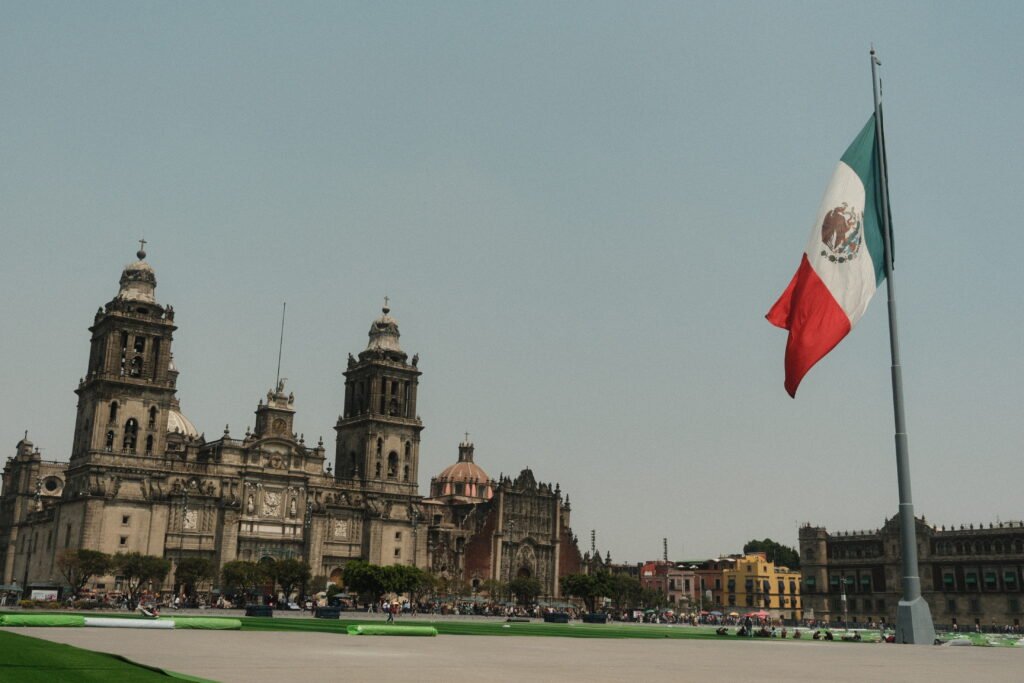
Start at the Zócalo, officially called Plaza de la Constitución. It is one of the largest public squares in the world and sits at the heart of what was once the Mexica city of Tenochtitlan. It is difficult to imagine that an entire ancient city once stood here, especially when you are surrounded by street sellers, huge colonial buildings and people moving in every direction.
The Metropolitan Cathedral dominates one side of the square and is worth stepping inside. Its construction began in the sixteenth century and took centuries to complete, which helps explain why it combines so many architectural styles. It is beautiful, slightly dramatic and feels enormous once you are inside.
If you enjoy history, Templo Mayor is also right beside the Zócalo and gives a much clearer sense of the pre-Hispanic city that existed here before colonial Mexico City was built over it.
From there, wander rather than following a strict route. Palacio Postal is one of those buildings you could easily walk past without realising how beautiful it is inside. Casa de los Azulejos, covered in blue-and-white tiles, is another lovely stop, even if you only admire it from outside. Calle Madero is busy but enjoyable, and the surrounding streets are full of cafés, small shops, museums and historic façades.
Centro Histórico can feel intense, so do not try to see every single thing. Choose a few landmarks, leave time for wandering and let the city surprise you.
🏛️ Visit Palacio de Bellas Artes
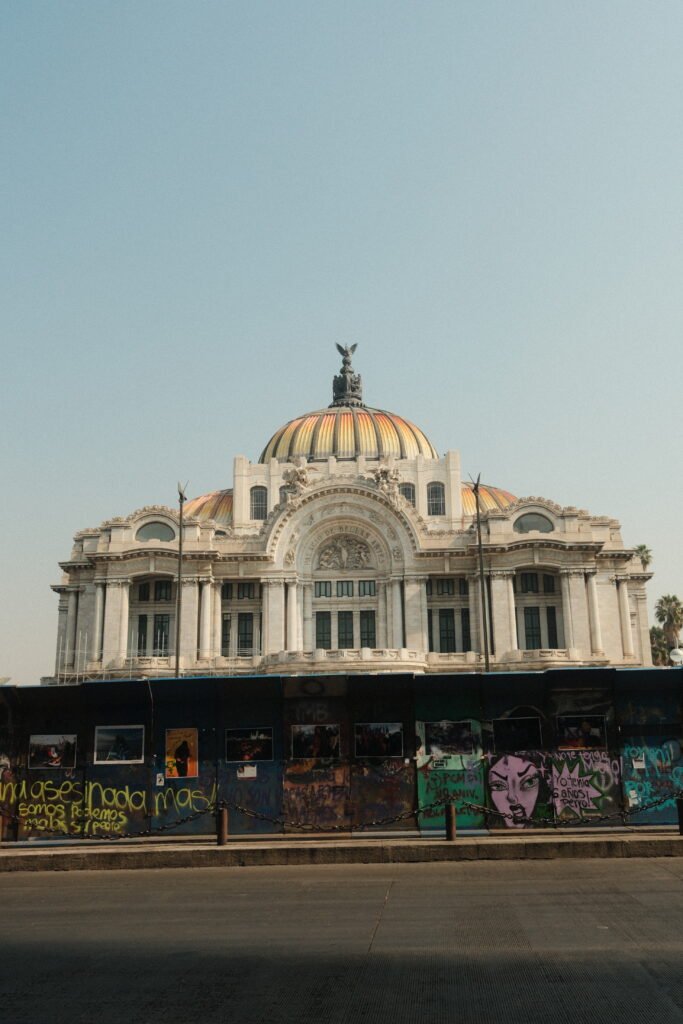
Palacio de Bellas Artes is one of the most beautiful buildings in Mexico City, both inside and out.
From the outside, its pale marble façade, dramatic dome and mix of Art Nouveau and Art Deco details make it feel almost theatrical. Inside, it is home to one of the country’s most important art museums and a performance venue, with enormous murals by artists including Diego Rivera, José Clemente Orozco and David Alfaro Siqueiros.
Unfortunately, it was closed because of demonstrations when we tried to visit, so we only got to admire it from outside. It is one of the first places we would go back to on our next trip.
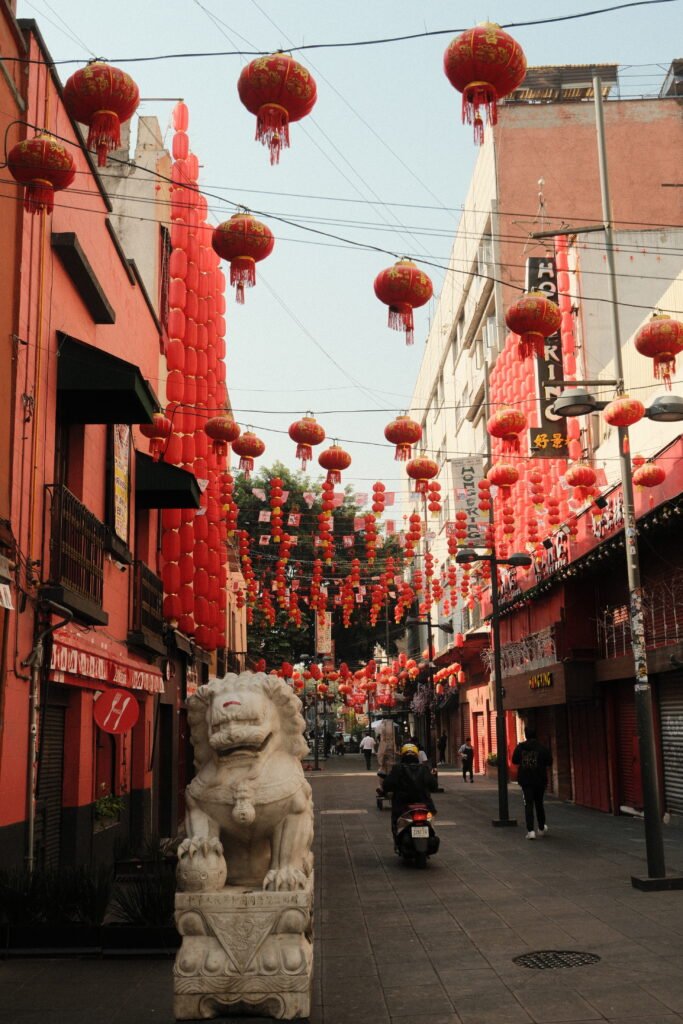
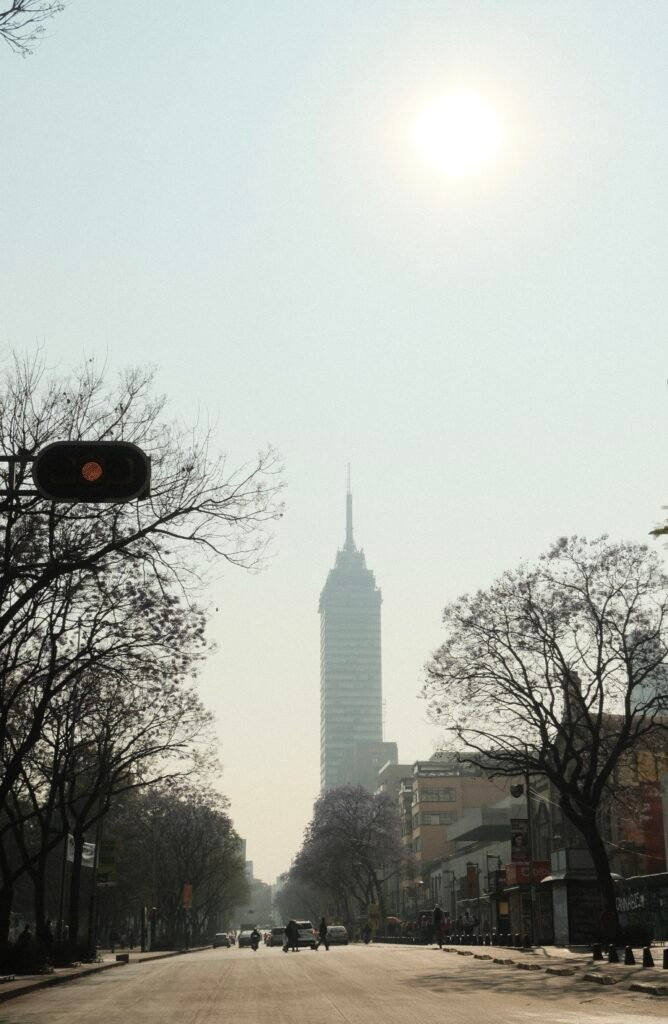
Afterwards, walk around Alameda Central, the park beside the palace. Do not miss the Hemiciclo a Juárez, the large white marble monument dedicated to former president Benito Juárez. Just across the park, the Torre Latinoamericana has one of the best views over the Historic Centre — especially beautiful near sunset. You can also cross the road towards the small Chinatown area, which is worth a quick look as you continue exploring the neighbourhood. It is an easy part of the city to combine with Centro Histórico and makes a lovely cultural afternoon.
🌿 Spend a slow day in Coyoacán
Coyoacán was one of our favourite parts of Mexico City. It feels calmer, more colourful and more village-like than the centre, even though it is still very much part of this huge capital.
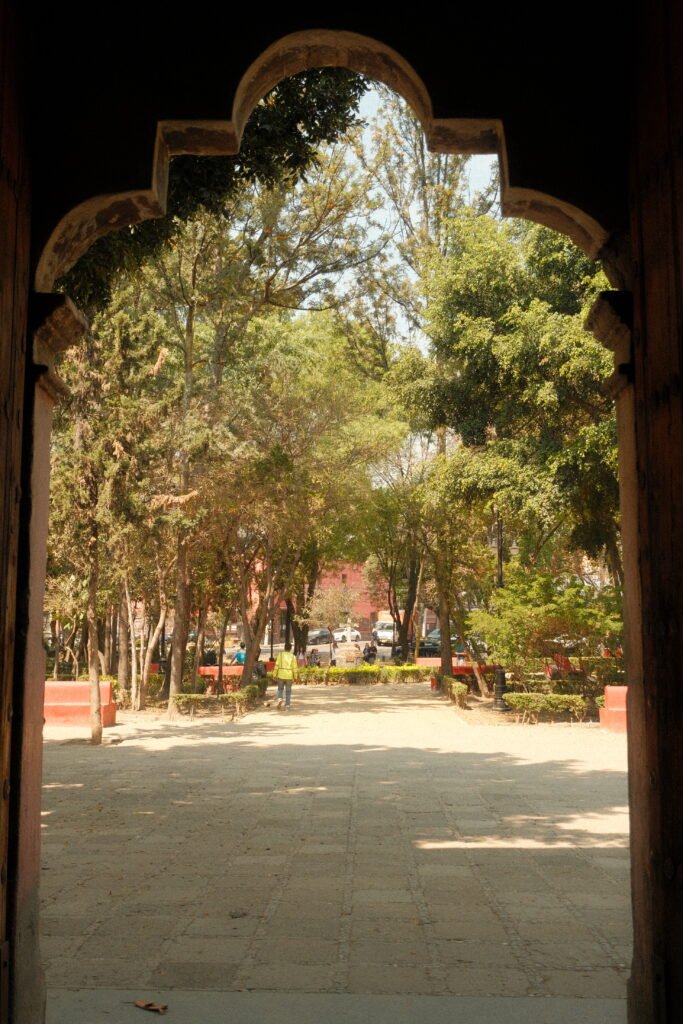
This is not a neighbourhood to rush through. Give yourself a full morning or afternoon to wander the colourful streets, stop for coffee, browse small shops and sit in one of the squares. The Fuente de los Coyotes is the heart of the area, and the streets around it are lovely for a slow walk.
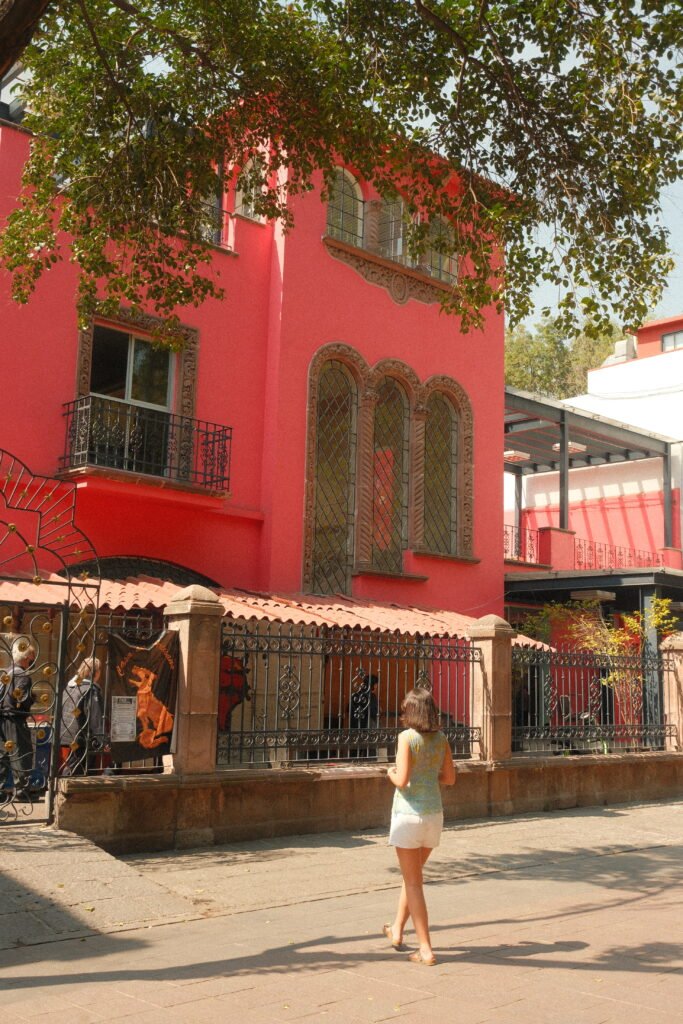
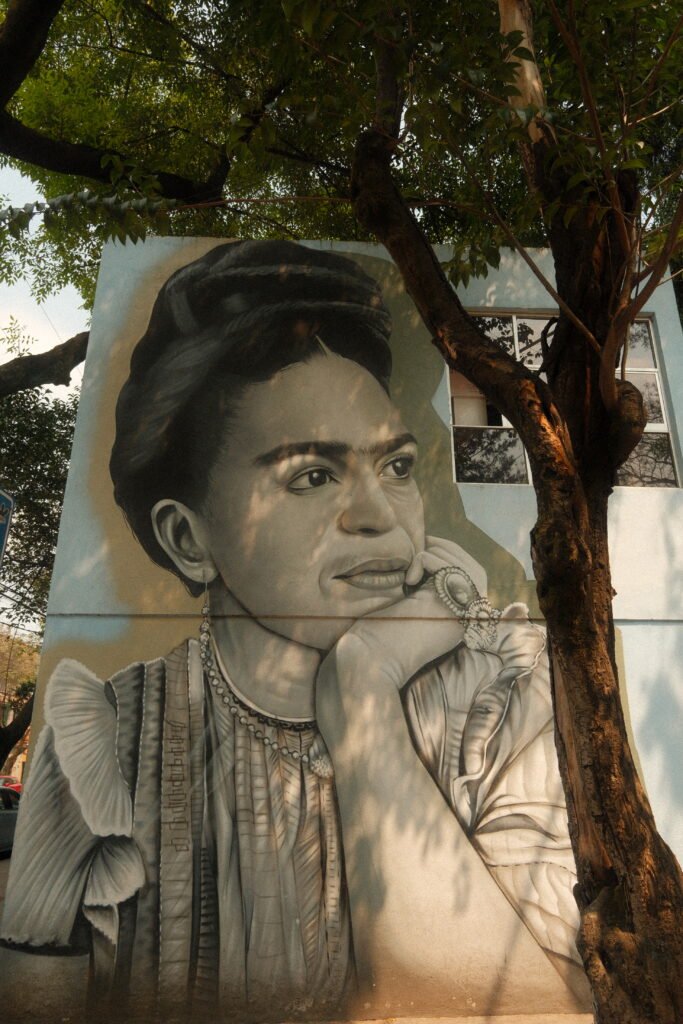
The most famous stop is Casa Azul, the home where Frida Kahlo spent much of her life and created many of her works. It is one of the city’s most popular museums, so booking ahead is essential. There is also the newer Museo Casa Kahlo, often known as Casa Roja, which gives a more personal and family-focused perspective on Frida’s life.
Coyoacán is also a great place to eat. Mercado de Coyoacán is busy, colourful and full of food stalls, while the streets nearby are perfect for stopping whenever something smells too good to ignore.
One of our favourite food stops in the area was for gorditas — thick little corn pockets filled with things like beans, cheese or slow-cooked meat. We would happily go back to Coyoacán just for those.
For a first visit, we still preferred staying in Condesa or Roma Norte because they are more central. But Coyoacán is absolutely worth making time for during the day.
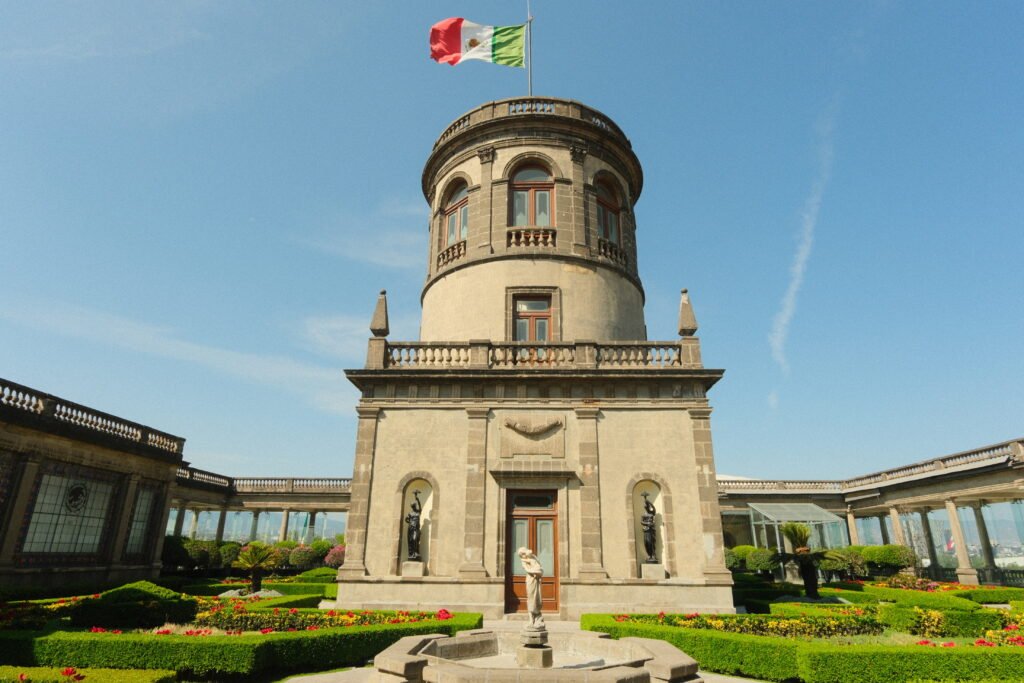
🏰 Visit Chapultepec Castle
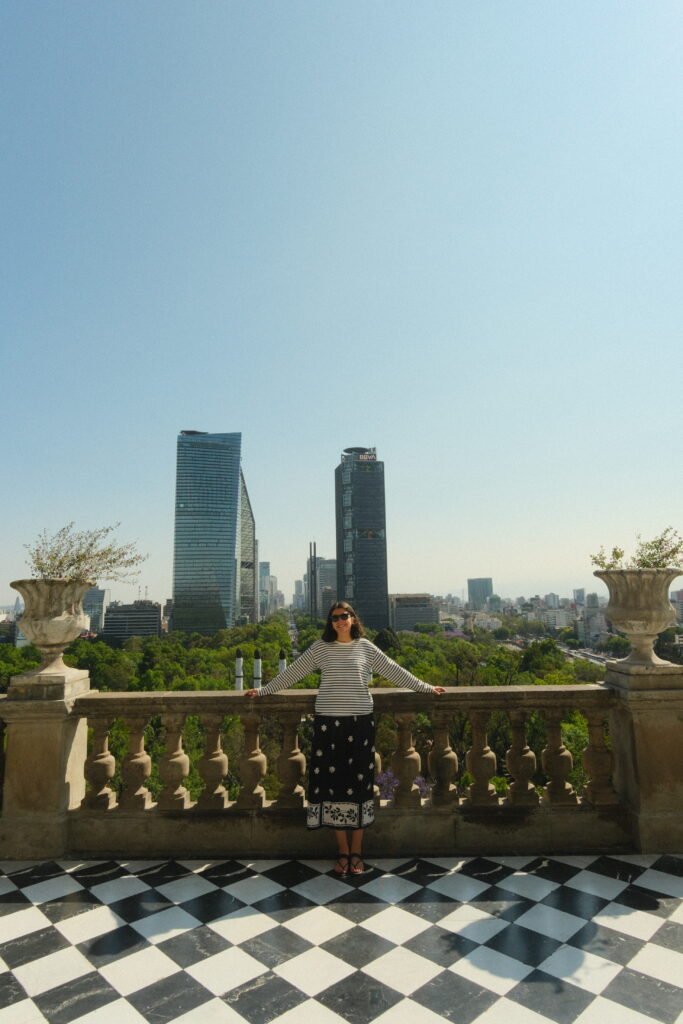
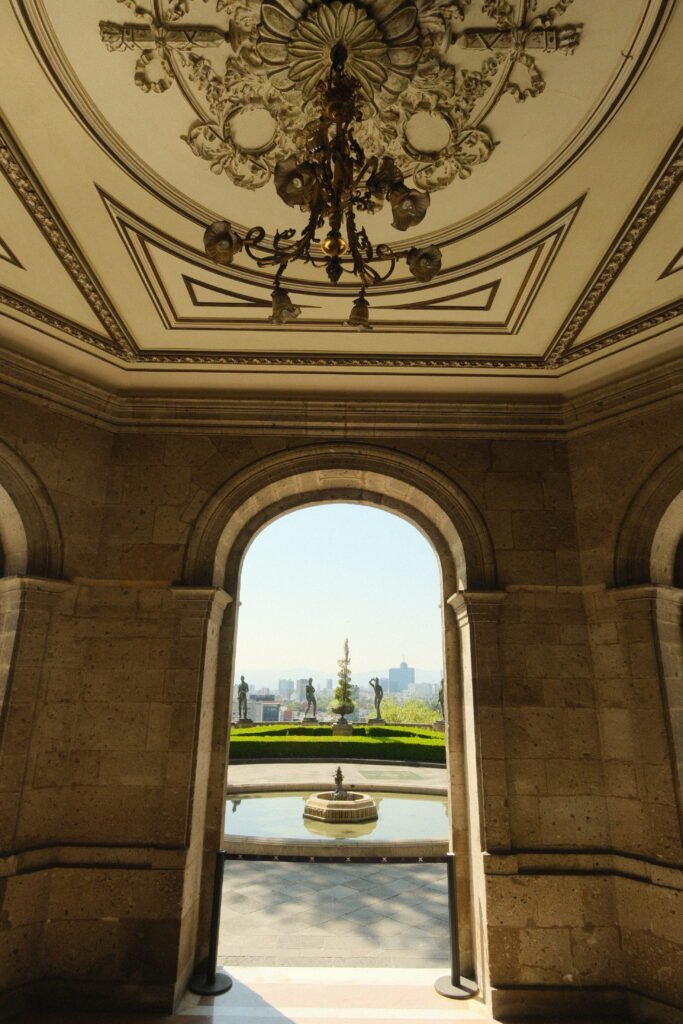
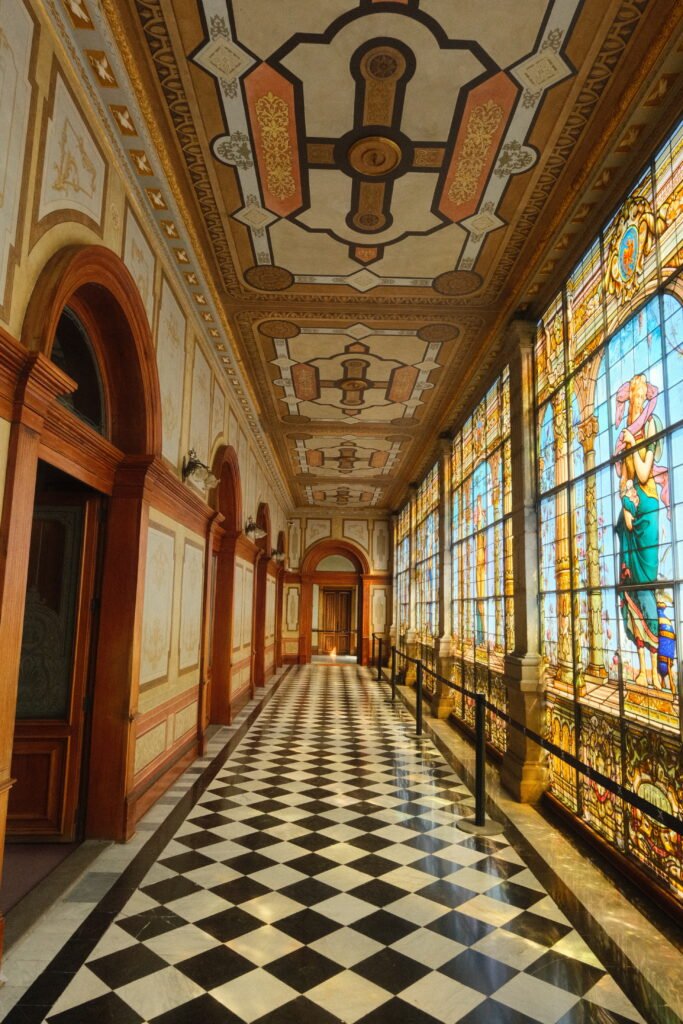
Chapultepec Castle is one of those places that feels surprising in a city as large and urban as Mexico City. It sits on a hill inside Chapultepec Park, surrounded by trees and gardens, with views stretching across the city.
The building has had many lives: it began as a residence for a Spanish viceroy, became a military academy, was the home of Emperor Maximilian and Empress Carlota, later housed Mexican presidents and is now the National Museum of History. That alone makes it much more interesting than simply visiting a beautiful castle.
It is also tied to the story of the Niños Héroes, young military cadets who died defending Chapultepec during the Mexican–American War in 1847. Whether you arrive for the history, the rooms, the gardens or the views, it is a place that gives much more context to the country than you might expect.
We recommend going in the morning if you can. The light is lovely, the park is quieter and you have more chance to enjoy the castle before the crowds arrive. Afterwards, keep walking through Chapultepec Park or pair it with the nearby National Museum of Anthropology.
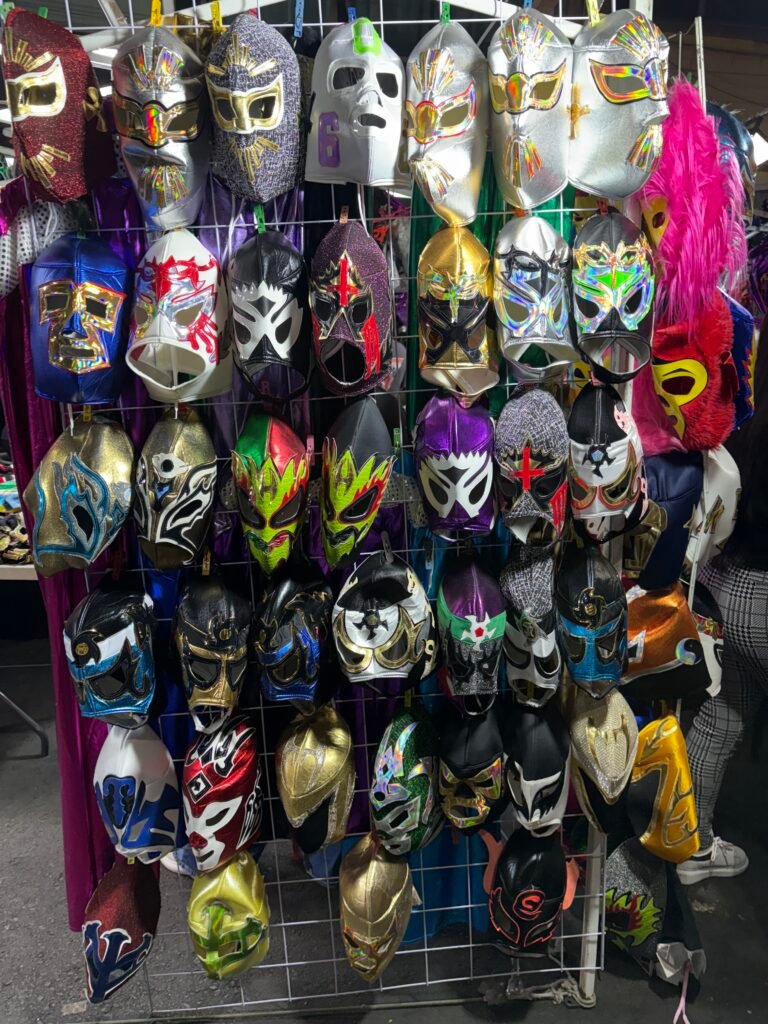
🤼 Go to a Lucha Libre match
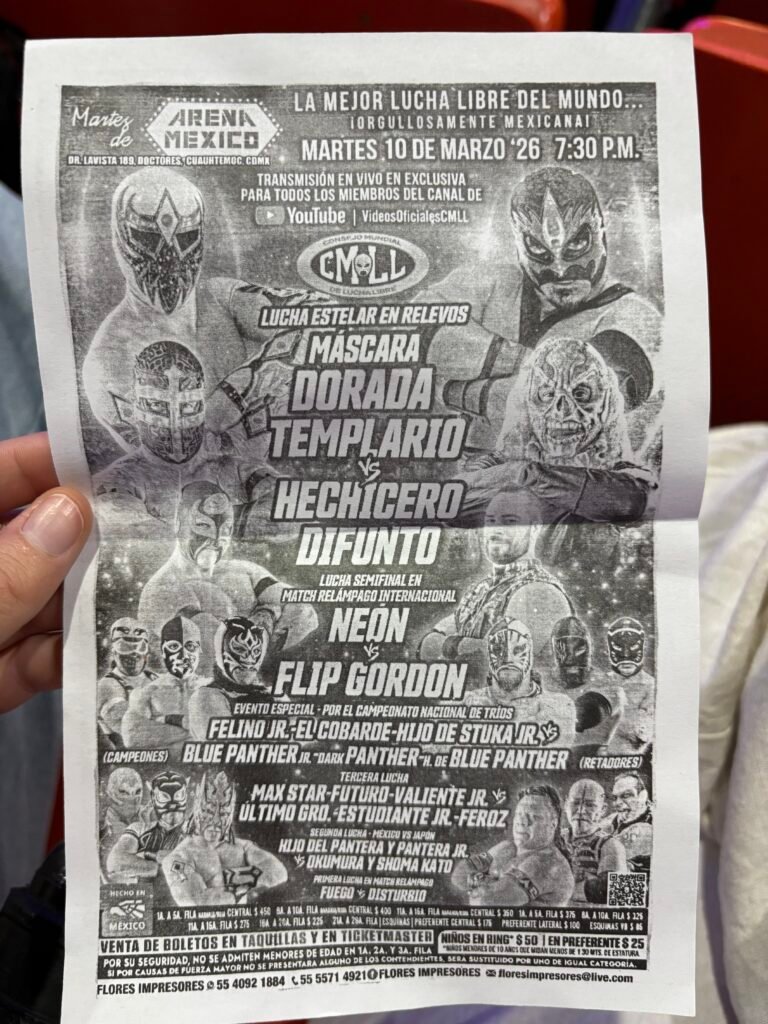
Going to Lucha Libre was one of the most unexpectedly fun things we did in Mexico City.
Even if you do not usually watch wrestling, the atmosphere makes it worth it. The colourful masks, dramatic entrances, music, shouting and very committed crowd turn the whole evening into something much bigger than a sporting event. You do not need to understand every rule or know who the wrestlers are — just choose someone to support and get involved.
It is worth adjusting your expectations before you go. This is not polished television wrestling. You can often see that it is theatrical and choreographed, and that is part of its charm. The crowd knows it too, but everyone gets completely invested anyway.
There is something very special about being surrounded by local families and groups of friends who clearly have favourite wrestlers, favourite insults and strong opinions about every move. It is playful, loud and completely different from a normal evening out.
If you have room in your itinerary for one experience that feels uniquely Mexico City, make it this one.

🚶 Wander around Condesa and Roma Norte
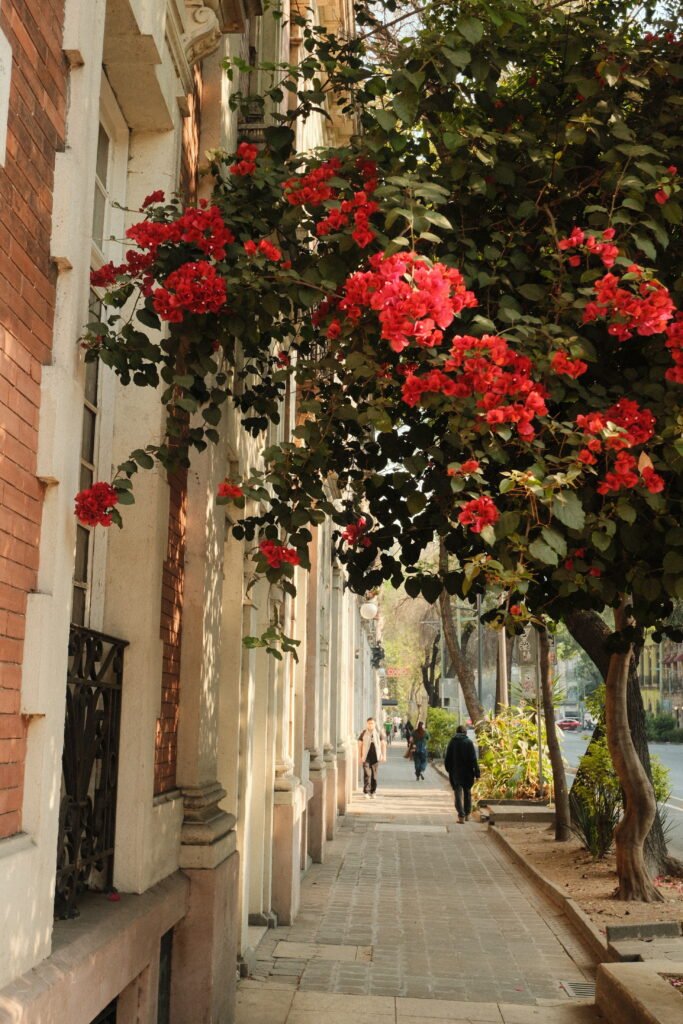
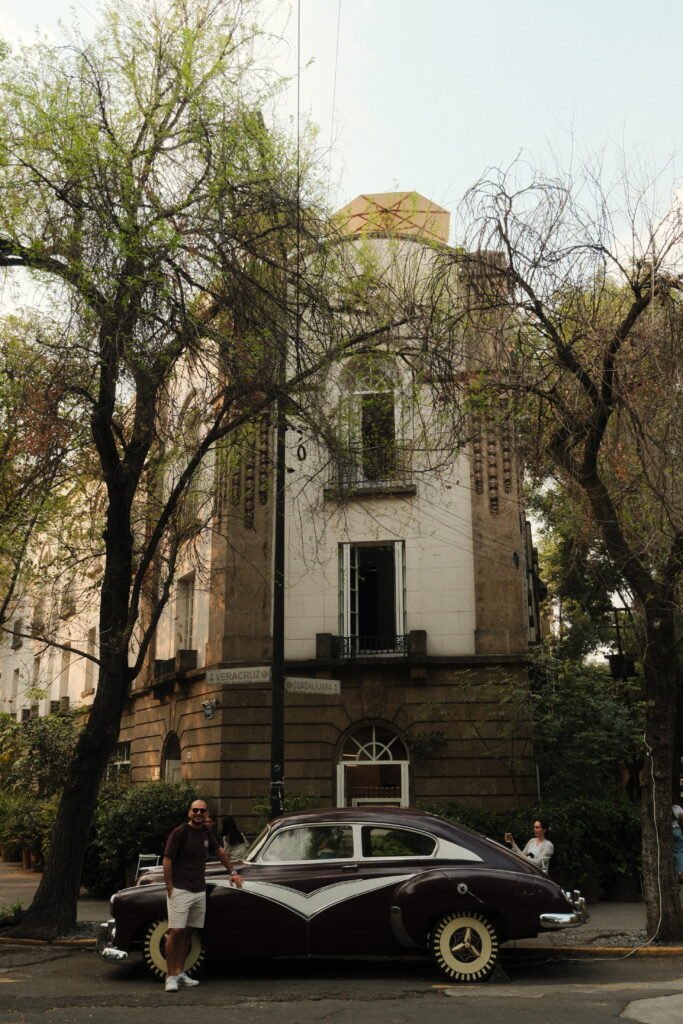
Condesa and Roma Norte are the neighbourhoods we enjoyed most for everyday city life. They are leafy, walkable and full of cafés, restaurants, bakeries, bars and beautiful old buildings.
Condesa feels calmer and greener, with wide avenues, Art Deco architecture and parks such as Parque México and Parque España. It is an easy place to spend a relaxed morning walking without a plan, stopping for breakfast and watching the city wake up. From here, you can also walk or take a short ride towards Paseo de la Reforma and the Ángel de la Independencia, one of the city’s most recognisable landmarks.
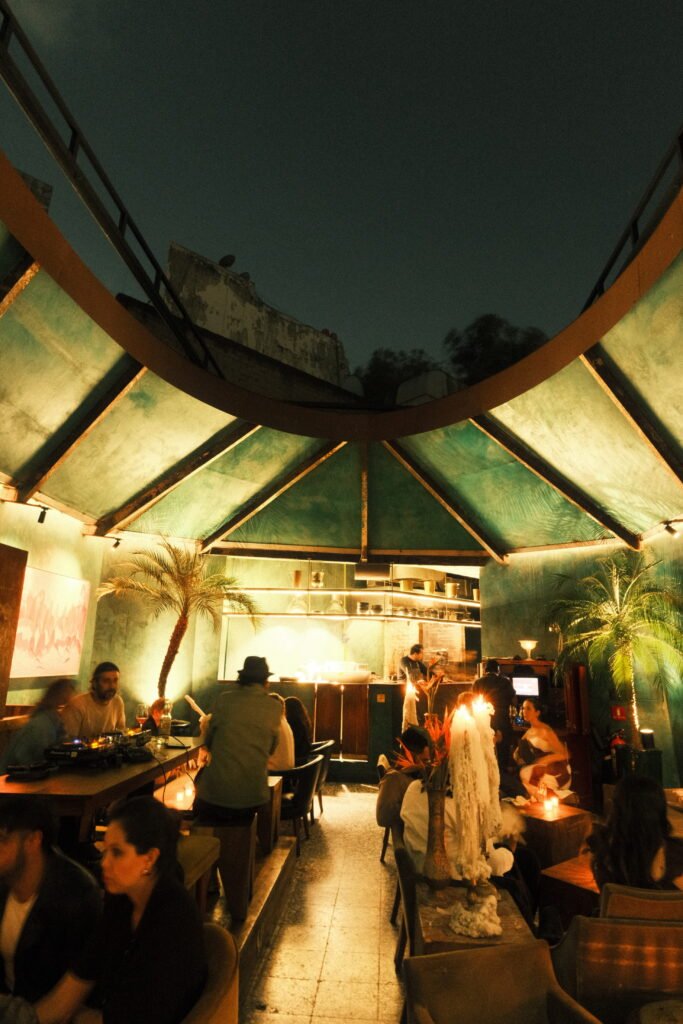
Roma Norte is livelier, a little more creative and full of places to eat. You can move slowly between cafés, shops, galleries and taquerías, then stay for dinner or drinks without needing to cross the city.
Neither neighbourhood is about ticking off a major attraction. That is exactly the point. They are where you can take a break from sightseeing and enjoy Mexico City at its most relaxed.
If you are deciding where to stay, read our full guide to the best areas to stay in Mexico City.
🏙️ See a different side of the city in Polanco
Polanco feels very different from most of the places on this list. It is more polished, more luxurious and full of designer shops, elegant restaurants and wide, quiet streets.
It will not give you the same energy as Centro Histórico or the same laid-back charm as Coyoacán, but it is still interesting to see another side of the city. Spend some time walking along Avenida Presidente Masaryk, stop for coffee or lunch and explore the area around Parque Lincoln.
Polanco is also close to Chapultepec and Museo Soumaya, so it makes sense to combine it with one of those rather than treating it as a full-day destination.
🌅 Visit Teotihuacán
Teotihuacán is one of the most important experiences we chose to save for our next trip, knowing that we will be back. But if Mexico City might be a once-in-a-lifetime visit for you, we would seriously consider making time for it.
The ancient city sits outside Mexico City and is home to the Pyramid of the Sun, the Pyramid of the Moon and the Avenue of the Dead. At its peak, it was one of the largest cities in the ancient Americas, and walking through it must be one of those experiences that makes everything else feel suddenly very small.
You can visit independently or book a guided excursion. If you would like to combine Teotihuacán with the Basílica de Guadalupe and Tlatelolco, a full-day guided tour is an easy option. It does mean visiting the pyramids later in the day, though, when it can be very hot.
If Teotihuacán is the main event, a sunrise hot-air-balloon flight with an optional visit to the pyramids would be a much more special way to experience it. You see the site early, before the heat and crowds build, then can be back in Mexico City during the afternoon and still enjoy the rest of your day.
🛶 Spend a morning or afternoon in Xochimilco
Xochimilco is another place we decided to leave for next time, but it is one of the most distinctive things to do in Mexico City and one we would recommend considering for a first trip.
The colourful trajineras — traditional flat-bottomed boats — travel through the old canals while families, groups of friends and visitors eat, drink, listen to music and enjoy the water. It can be touristy, yes, but it is also completely unlike anything else in the city.
For the classic experience, you can simply take an Uber to one of the official embarcaderos and hire a trajinera directly. You choose how long you want to stay on the water, and food, drinks and music can be bought from the boats that pass by. This is probably the best option for a couple or group who want to set their own pace.
If you prefer something more social, a traditional group boat tour with food and drinks included is an easy and fun alternative — especially if you are travelling with friends or want a more lively atmosphere.
For something quieter, choose a sunrise or sunset kayak tour through the hidden canals. It is a completely different side of Xochimilco: smaller, calmer and more focused on nature than the classic trajinera experience.
It is worth going with the right expectations. This is not Venice, and it does not need to be. Xochimilco is lively, colourful and very Mexican — exactly why we want to experience it next time.
If you have more time
📚 Step inside Biblioteca Vasconcelos
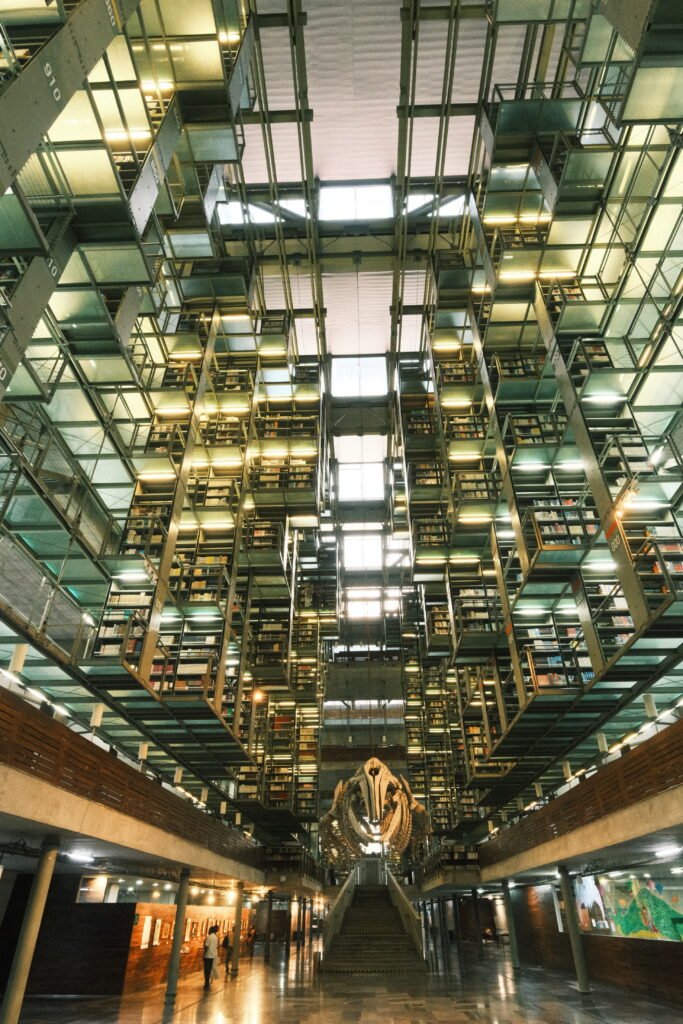
Biblioteca Vasconcelos is one of the most striking modern buildings in Mexico City and an easy addition if you enjoy architecture, design or simply unusual places.
The library is known for its huge suspended bookshelves, which make the interior feel almost futuristic. It is the kind of space where you walk in intending to stay for ten minutes and end up looking around for much longer.
It opened in 2006 and has six levels of open shelving, a large garden outside and Gabriel Orozco’s famous suspended whale skeleton artwork, Matrix Móvil, inside. Best of all, it is not a museum that feels formal or intimidating — it is a working public library, free to visit and full of people reading, studying and living their everyday lives.
It is slightly outside the usual tourist route, but that is part of why it feels so memorable.
⛪ Visit the Basílica de Guadalupe
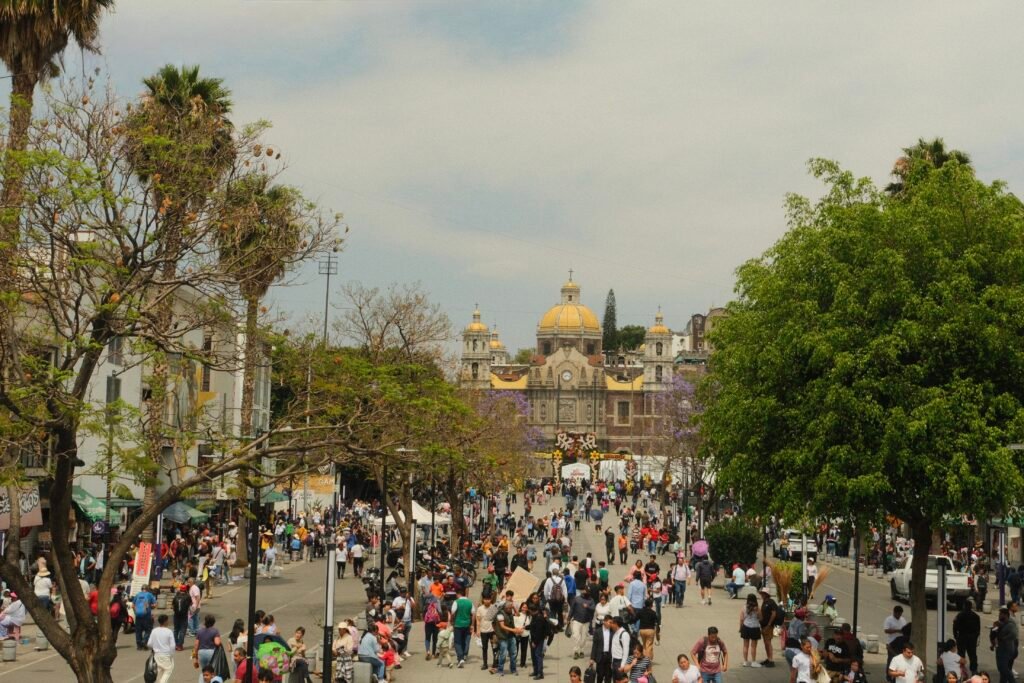
The Basílica de Guadalupe is one of the most important religious sites in Mexico and one of the most visited Catholic pilgrimage sites in the world.
Even if you are not religious, it is worth considering because it gives such a clear sense of the country’s faith, history and identity. The site includes the modern basilica, the older church buildings and a large open plaza where pilgrims arrive throughout the year.
For many Mexicans, the image of Our Lady of Guadalupe is deeply personal and meaningful. Visiting respectfully is a chance to see a side of Mexico City that is very different from its museums, restaurants and trendy neighbourhoods.
🏛️ Explore Mexico City’s museums
Mexico City has an incredible number of museums, and we did not get to visit any during this trip. But if art, history or archaeology interest you, it would be very easy to build part of your visit around them.
The National Museum of Anthropology is the most obvious choice for learning about Mexico’s pre-Hispanic cultures. It is enormous and home to the famous Aztec Sun Stone, as well as archaeological and ethnographic collections from across the country.
Museo Soumaya, in Polanco, is a completely different experience. Its striking silver building is instantly recognisable, and the collection includes European art, Mexican art and one of the largest collections of Auguste Rodin’s work outside France.
For modern art, Museo Tamayo and Museo de Arte Moderno are both inside Chapultepec Park and easy to combine with the castle or a walk through the park.
Final thoughts
Mexico City is not a city you simply visit and cross off a list. It stays with you in small moments: the sound of a taquería at night, a colourful street in Coyoacán, the view from Chapultepec, or the feeling of turning a corner and finding something you had never planned for.
We left with a long list of places still to see, but that did not make the trip feel incomplete. It made us certain that this is a city worth coming back to.
Plan enough to make the most of your time, but leave space to wander, eat slowly and change your mind when something catches your attention. Some of the best moments in Mexico City are the ones you never put on the itinerary.