Norwegian Fjords Cruise Review: Our 8-Day MSC Magnifica Itinerary
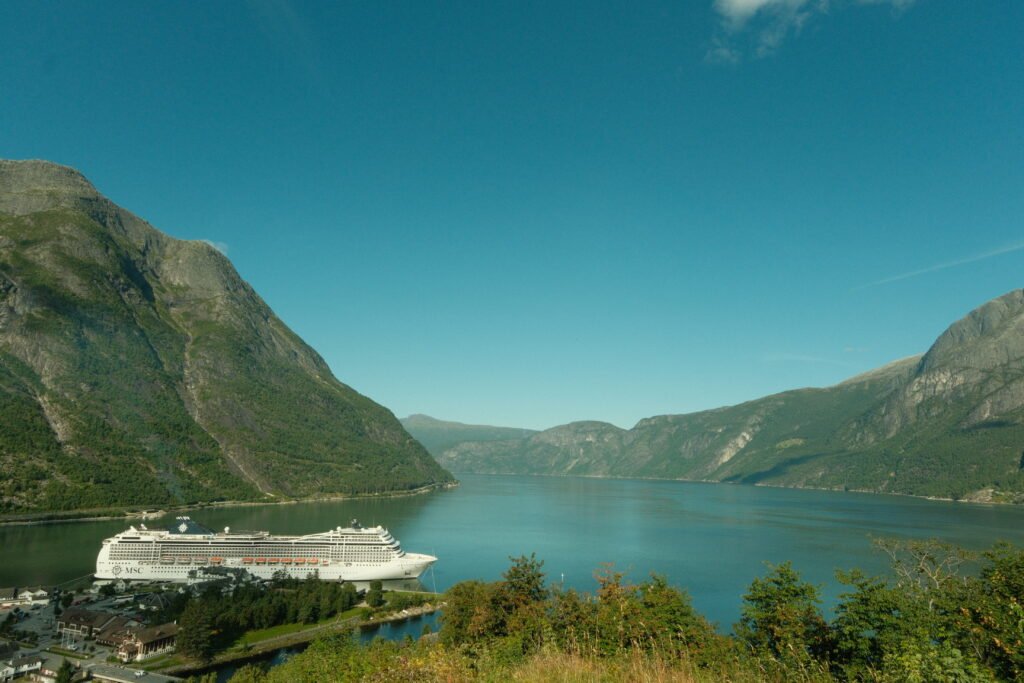
The Norwegian fjords are one of those landscapes that do not quite look real: huge mountains rising from the water, waterfalls in the distance and tiny villages along the shoreline.
We travelled for 8 days and 7 nights in August on the Magnifica, operated by MSC, stopping in Stavanger, Eidfjord, Kristiansand, Oslo and Copenhagen. It was a completely different way to travel: waking up somewhere new almost every morning, seeing dramatic landscapes from the ship and having enough time to explore without constantly packing and unpacking.
In this Norwegian fjords cruise review, we share our 7-night MSC Magnifica itinerary, what we spent, what life on board was really like and whether we think this route is worth it.
A cruise will not suit everyone, but for this route, it made a huge amount of sense. Norway is expensive, distances are long and the fjords are not always easy to reach independently. Having transport, accommodation and food organised allowed us to focus on the places themselves.
It is also a great option for a summer holiday. We had sunshine in Norway without the extreme heat or crowds that can make many European beach destinations and big cities feel overwhelming in August.
Some links on Worthwhile Guides are affiliate links. This means we may earn a small commission if you book through them, at no extra cost to you. We only share places and experiences we genuinely believe may be useful to our readers.
🗓️ Duration: 8 days / 7 nights
📍 Route: Warnemünde → day at sea → Stavanger → Eidfjord → Kristiansand → Oslo → Copenhagen → Warnemünde
🚢 Ship: Magnifica ship by MSC
📅 When we travelled: August 2026
💶 Our cruise cost: Around €1,000 per person for an inside cabin, excluding transport to Warnemünde, drinks, Wi-Fi and spending in each destination
👨👩👧👦 Best for: Travellers who want to see several Nordic destinations without moving hotels every few days
What’s Inside this Norwegian Fjords Cruise Review
- Why a Norwegian fjords cruise is worth it
- Getting to Warnemünde
- Our 7-night Norwegian fjords cruise itinerary
- The Norwegian nature and fjord landscapes
- What cruise life was really like
- Is an inside cabin worth it?
- Food, drinks and Wi-Fi on board
- How to plan each port day
- What to pack for a fjords cruise
- How much we spent
- Who we think this cruise is best for
- Our Norwegian fjords cruise review: the verdict
🌄 Why We Think a Norwegian Fjords Cruise Is Worth It
A cruise is one of the easiest ways to see several Scandinavian and Norwegian destinations in one trip.
Normally, a route including Stavanger, Eidfjord, Kristiansand, Oslo and Copenhagen would involve multiple trains, flights, hotels and luggage days. On the cruise, our hotel travelled with us. We unpacked once, woke up in a new place most mornings and returned to the same cabin after each day out.
This particular Norwegian fjords cruise route also makes a lot of sense geographically. Eidfjord, in particular, was difficult to imagine reaching independently in such a short amount of time. Arriving by ship means that the scenery begins before you have even left the boat.
The experience is not only about the destinations. There is something very peaceful about sitting on deck with a coffee, watching the coastline go by and knowing that there is nowhere else you need to be.
🚆 Getting to Warnemünde
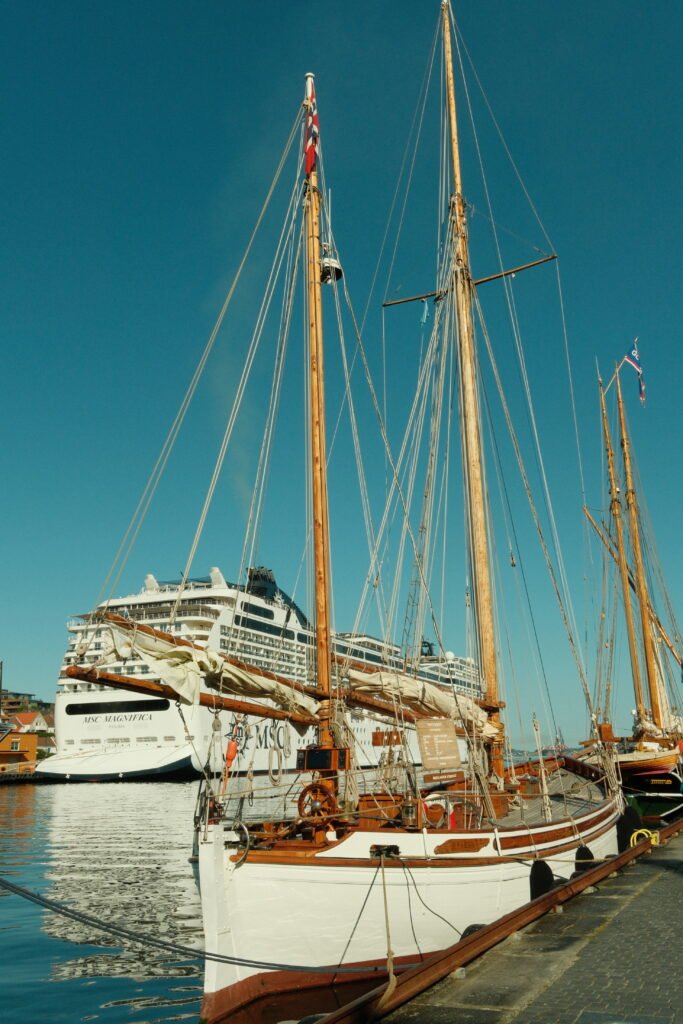
Our cruise departed from Warnemünde, a seaside town in northern Germany near Rostock.
We flew into Berlin, then took the train from Berlin to Warnemünde, changing in Rostock. The journey was simple and cost us around €100 per person return, although prices will vary depending on when you book.
We arrived on the same day as embarkation because our journey from Berlin was straightforward and our boarding time allowed it. This can work well if you are nearby and have plenty of time before boarding.
If you are flying long-haul, travelling a long distance or have a very early boarding time, staying near the port the night before may be worth it for peace of mind. Check your assigned boarding time before deciding.
Depending on the itinerary, some cruises following a similar route also depart from Copenhagen, which may be more convenient for some travellers.
If you are flying into Berlin before the cruise, read our 3 Days in Berlin itinerary for a practical route through the city before travelling on to Warnemünde.
🧳 What Embarkation Was Really Like
Embarkation in Warnemünde was quick, calm and very organised. We expected it to feel more stressful, but the process was straightforward.
Of course, this will depend on the port and the number of people boarding. Warnemünde is relatively small, and a departure from a larger city may feel busier and more chaotic. Still, our experience was much smoother than expected.
Once we had left our luggage in the cabin, we went straight back out to explore Warnemünde. We walked around the village, saw the church, went to the beach and stopped for a coffee before returning to the ship.
If Warnemünde is a full port day rather than your embarkation point, we think it would be more interesting to take the train to nearby Rostock.
🗺️ Our 7-Night Norwegian Fjords Cruise Itinerary
This was our 7 night Norwegian fjords cruise itinerary:
Day 1: Embarkation in Warnemünde
After checking in and leaving our luggage in the cabin, we used the afternoon to explore Warnemünde itself.
It was a lovely introduction to the trip: a walk through the village, the church, the beach and a coffee before returning to the ship. That evening, we had dinner on board and watched the ship leave Warnemünde.
Day 2: A Day at Sea
A full day at sea can feel a little slow, especially if you are most excited about the destinations. We would not choose an itinerary with too many sea days on a one-week cruise.
Still, there was enough happening on board to make the day pass easily. We wandered around the decks, joined a few activities, watched a show in the evening, read, had coffee and generally slowed down.
The ship had pools, lounges, a gym, games, bars, a theatre and a full daily programme. You can be as busy or as relaxed as you want.
For us, one sea day was enough. It gave us time to enjoy the ship, but we were very happy that the rest of the itinerary focused on destinations.
Day 3: Stavanger
Stavanger was one of the easiest ports to explore independently.
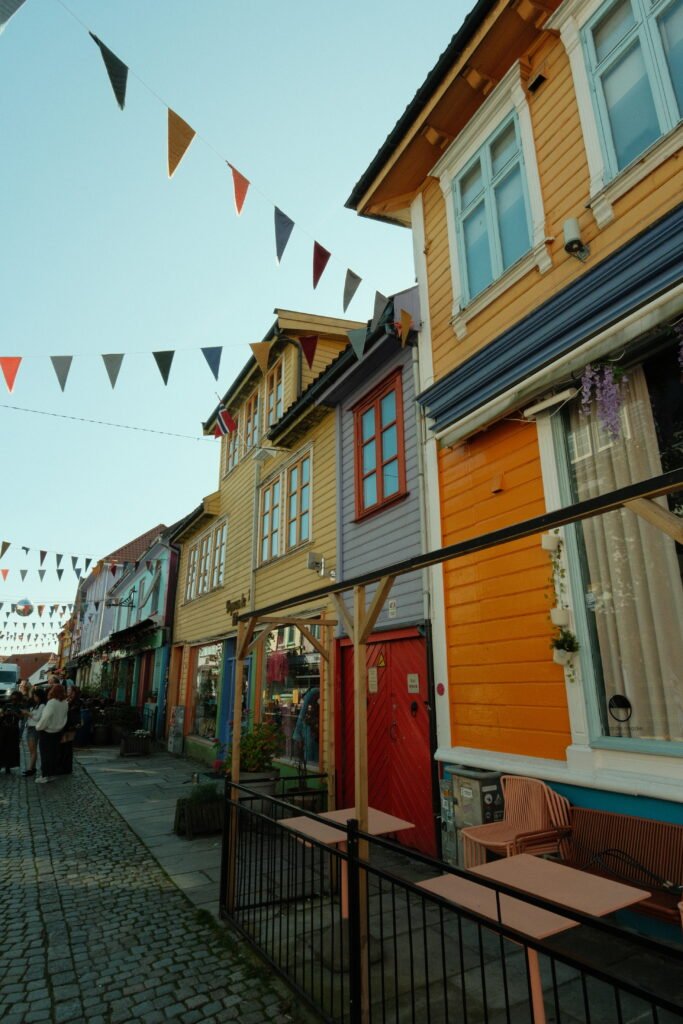
We started around the harbour, then wandered through Gamle Stavanger, the old town known for its beautiful white wooden houses. It is compact, peaceful and very different from the modern parts of the city.
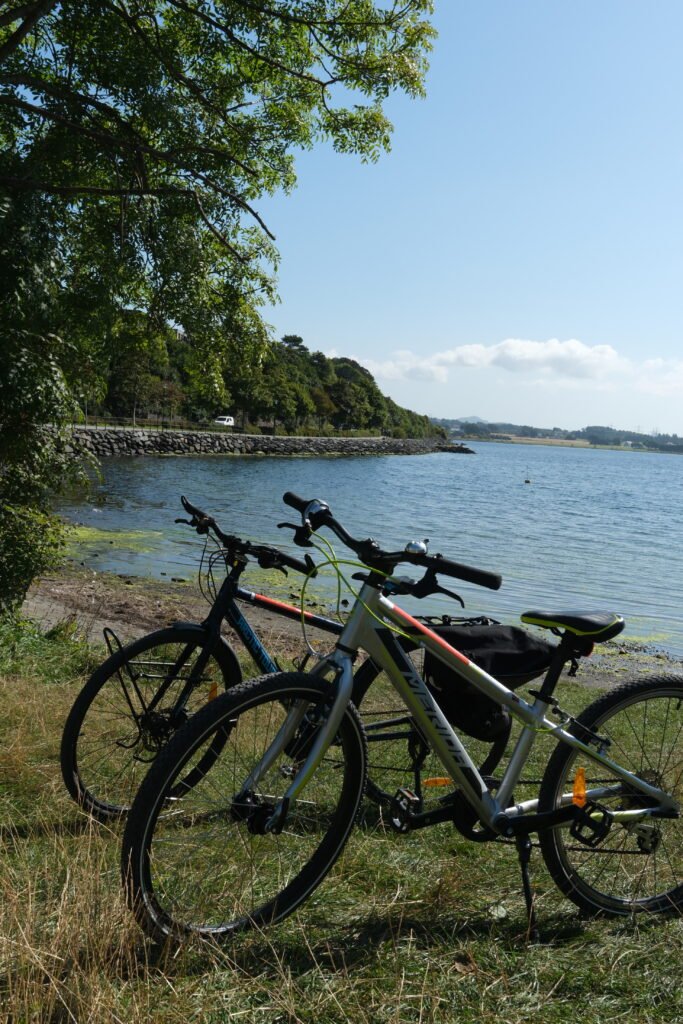
We also walked through the colourful streets around Øvre Holmegate, explored the centre and stopped by Stavanger Cathedral. Later, we rented bicycles and cycled to Sverd i Fjell, the huge monument of three swords beside the water. We brought food with us and had a picnic there before cycling back.
We were very happy exploring Stavanger independently, but that does not mean everyone should skip an excursion. Stavanger has plenty of options if your priority is hiking, fjords or nature beyond the city centre. Before every port, it is worth comparing the options and deciding what matters most to you.
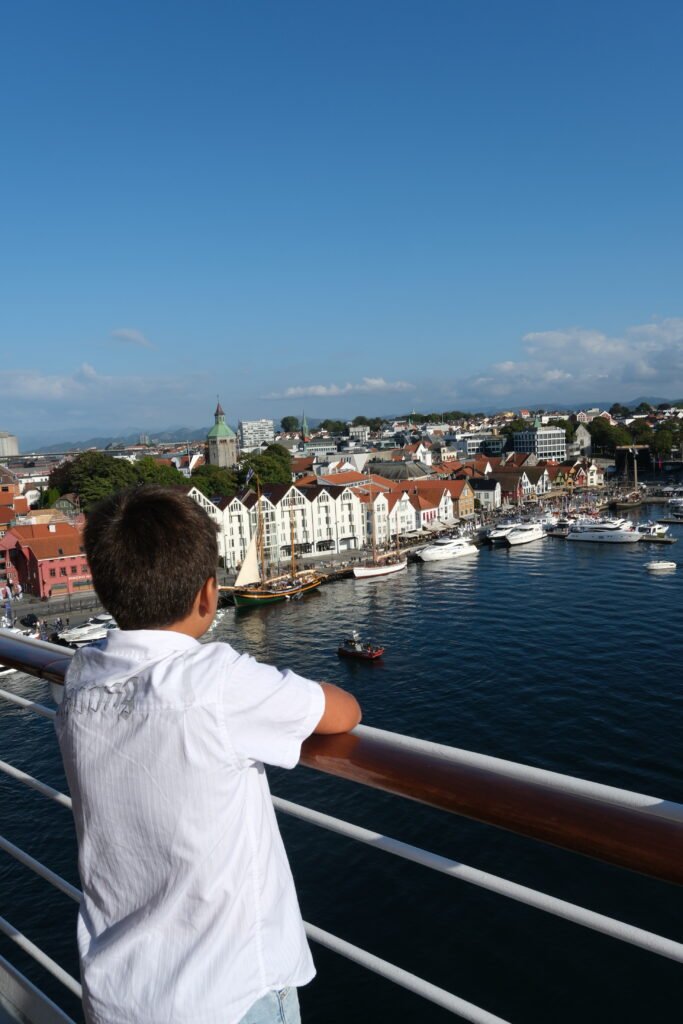
For our exact walking route, bike ride and what we think is actually worth seeing, read our full guide to what to do in Stavanger from a cruise ship.
Day 4: Eidfjord
Eidfjord was the highlight of the trip for us.
The ship arrived surrounded by steep mountains, water and tiny houses. Even before going ashore, it felt completely different from the other stops.
We started with the Hæreid Footpath, a quiet and beautiful hike with views over the fjord. There was a small beach, open landscapes and very few people around. It was one of those places that made us stop and think: this is exactly why we came.
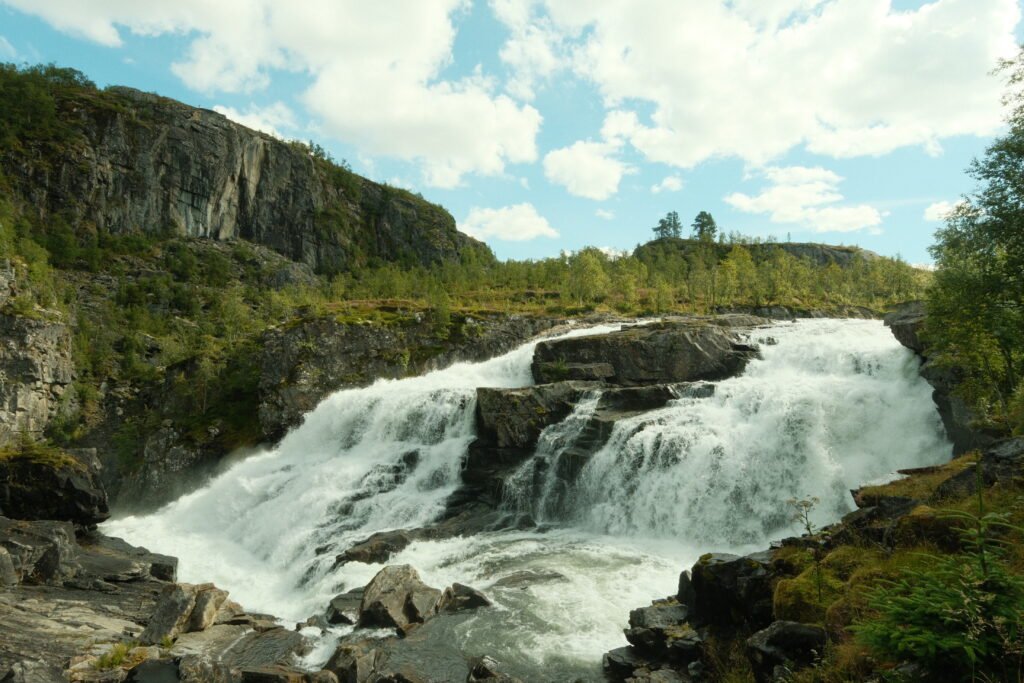
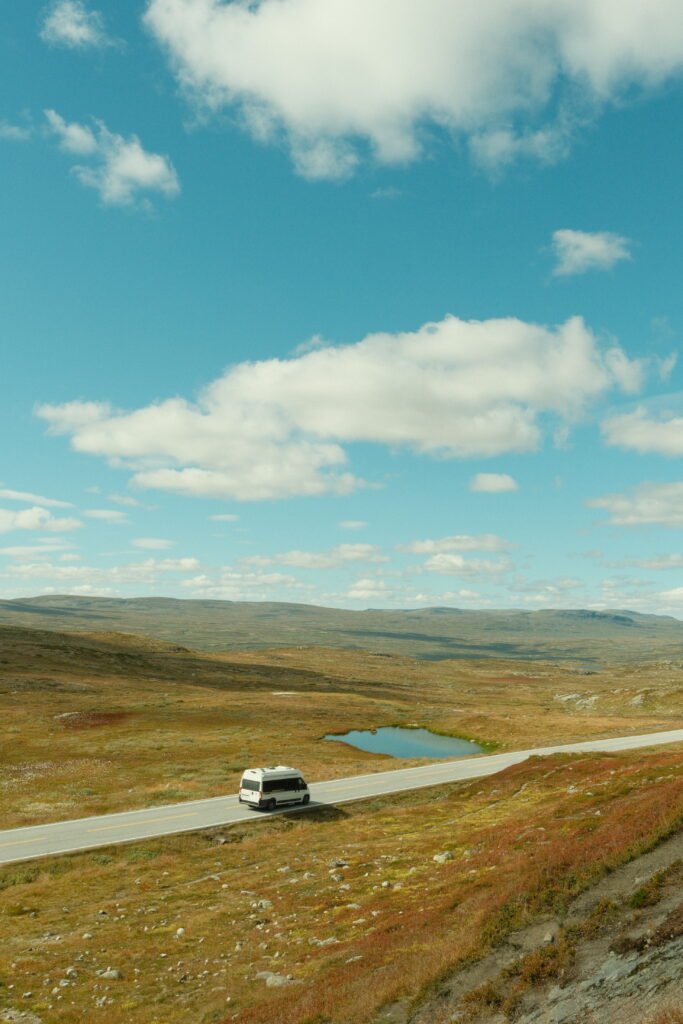
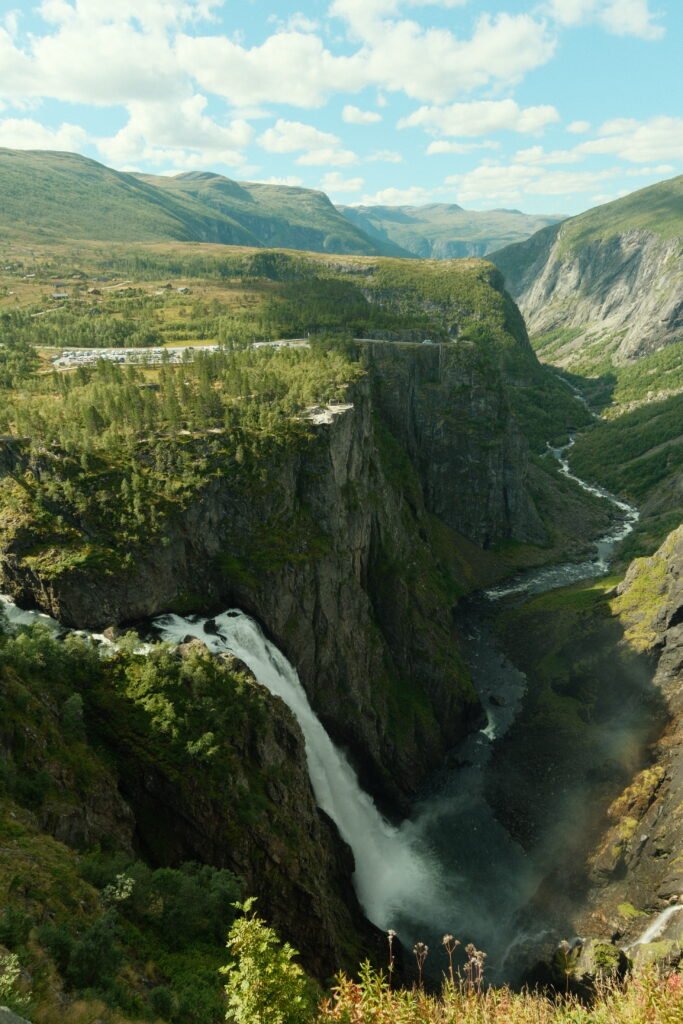
Later, we arranged transport to see more of the surrounding area, including the Hardangervidda landscape, Sysendammen and Vøringsfossen waterfall. The scenery was extraordinary, and Vøringsfossen was one of the most impressive waterfalls we have ever seen.
Eidfjord is the port where planning ahead matters most. There is a lot to see beyond the village itself, and transport options are limited.
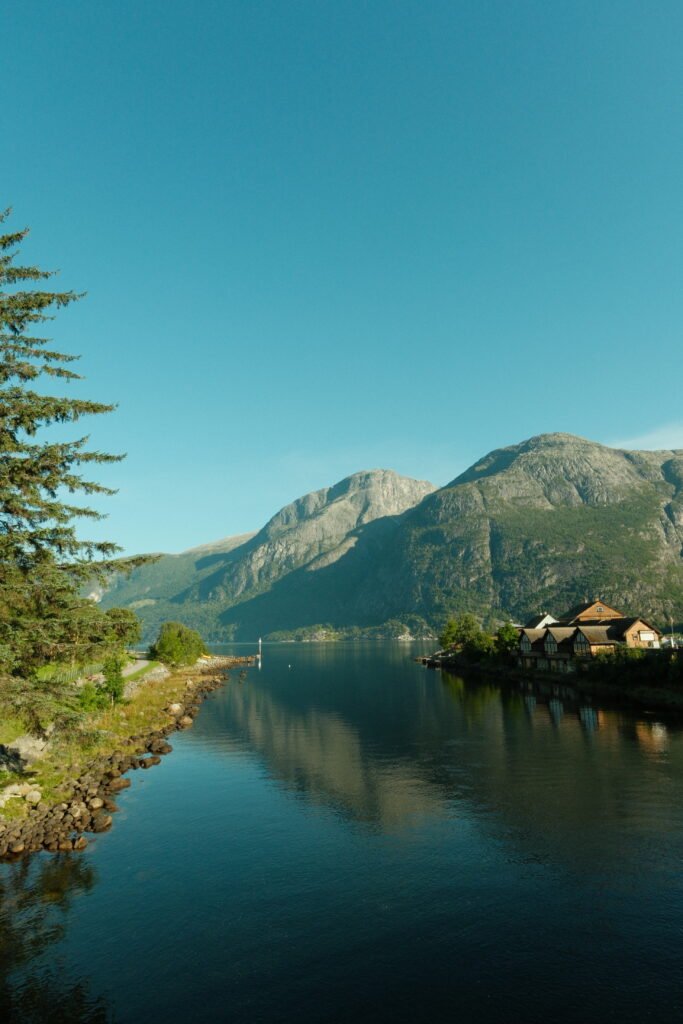
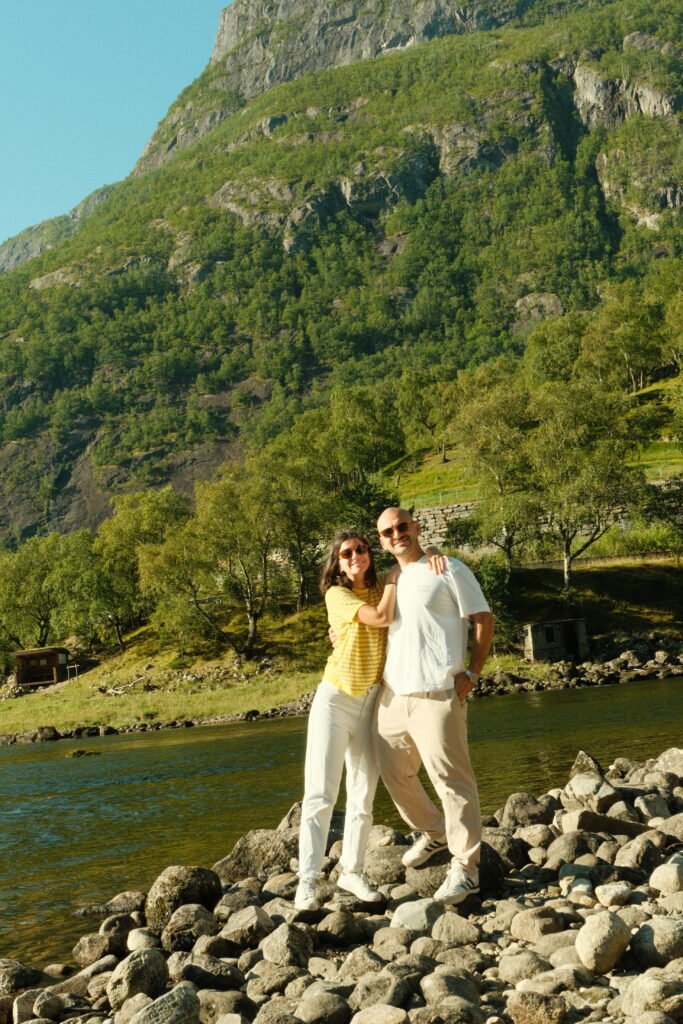
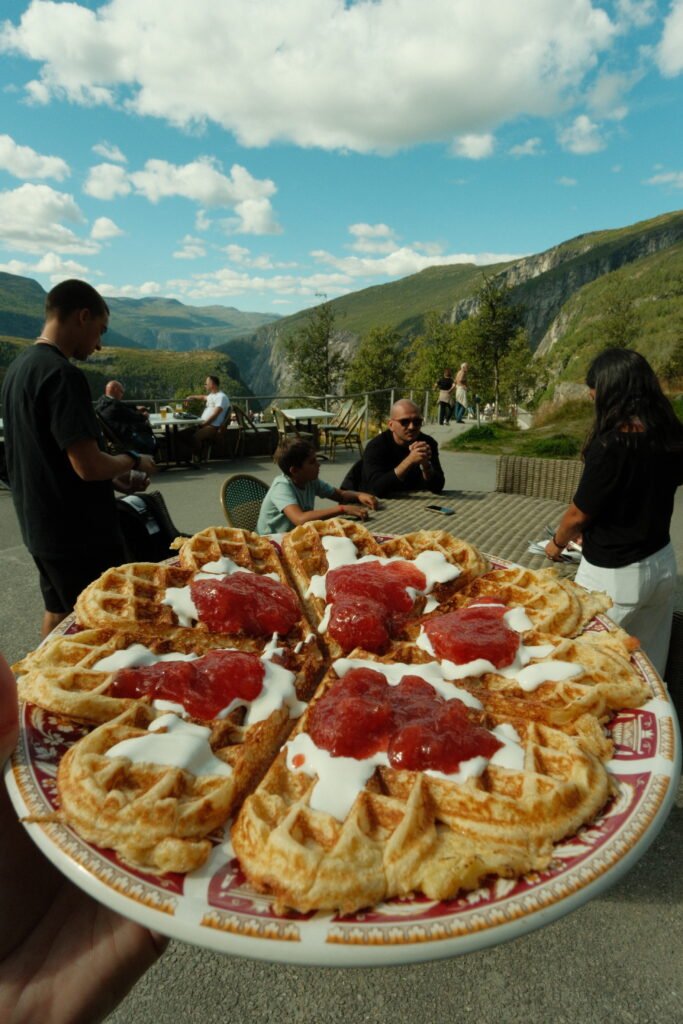
Read our full guide to what to do in Eidfjord from a cruise ship for our exact route, transport options and the costs of the day.
Day 5: Kristiansand
Kristiansand was a gentler, slower stop.
We walked through the centre, saw Kristiansand Cathedral and explored Posebyen, an area of charming white wooden houses. We then headed towards Baneheia for views over the city and water.
We also visited Bystranda, the city beach, and Christiansholm Fortress before stopping for food around Fiskebrygga, the waterfront area.
We had enough time to continue towards Odderøya for a quieter walk with sea views, but by then we were tired and decided not to rush it. Kristiansand is not the most dramatic stop on this itinerary, but it was easy, pleasant and a nice contrast to the bigger cities.
There may be more to do further outside the centre, but that would require more planning and transport. If you are only in port for a few hours, we think the city centre is enough for a relaxed day.
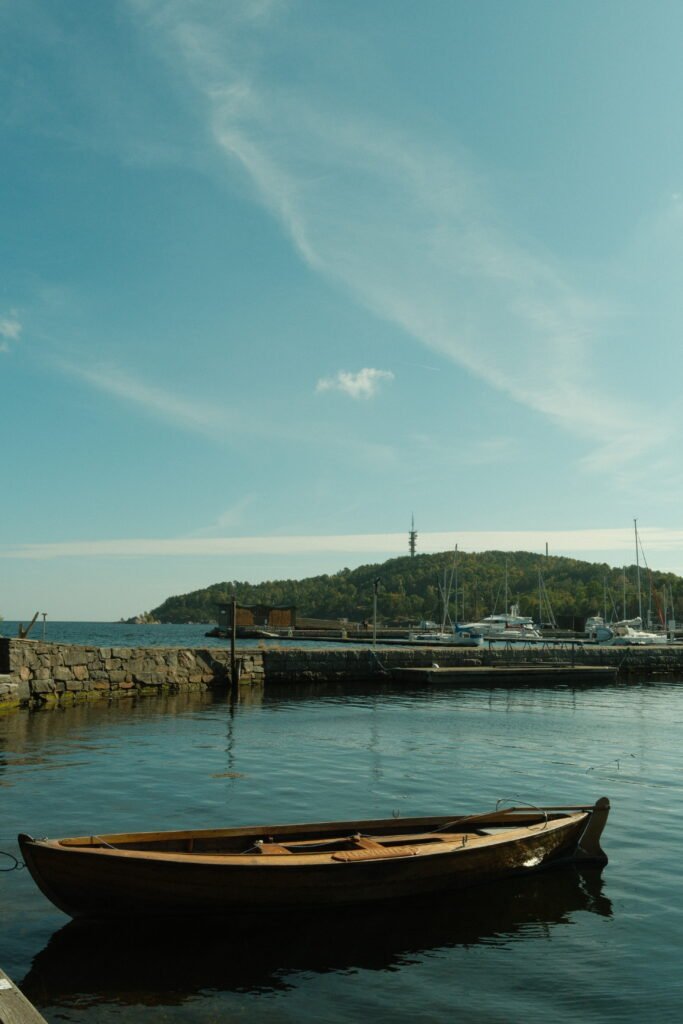
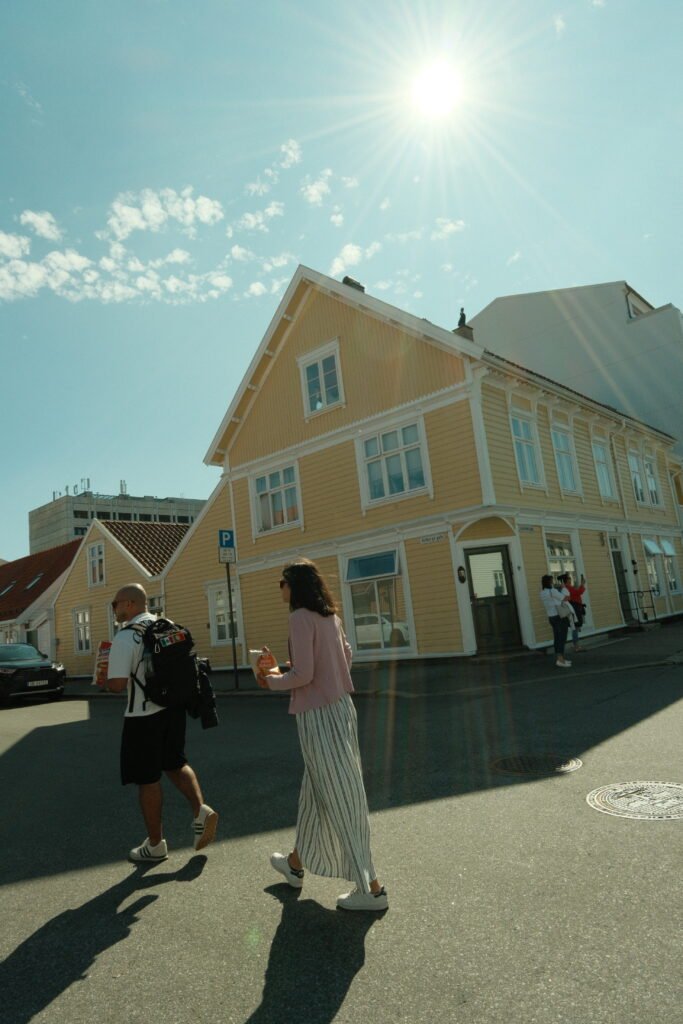
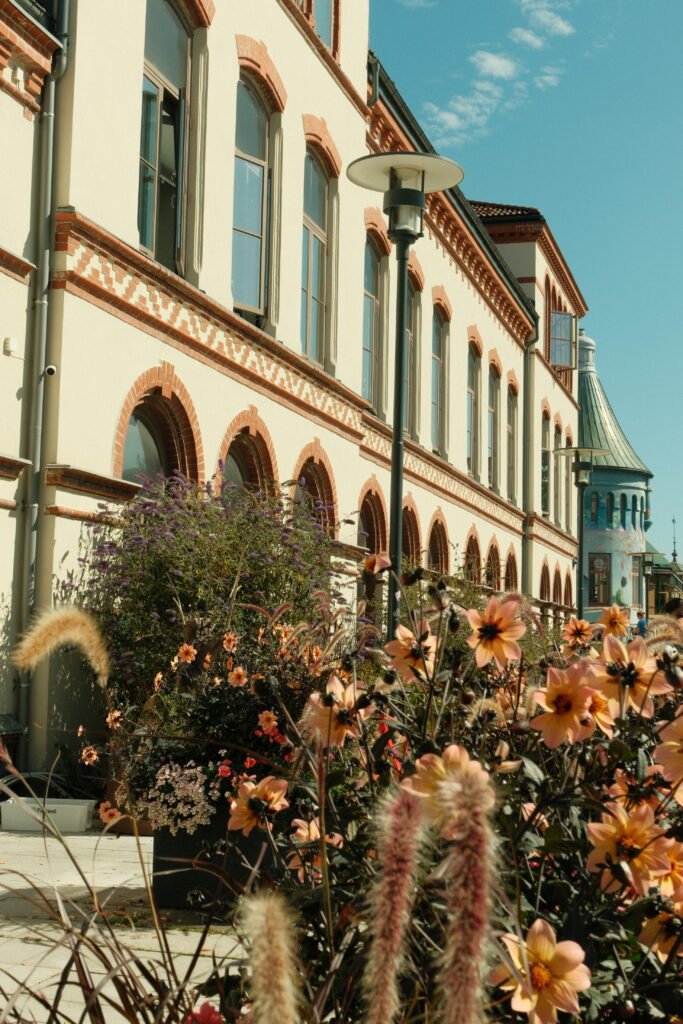
For our complete route and a realistic guide to what is worth fitting into one port day, read our post on what to do in Kristiansand from a cruise ship.
Day 6: Oslo
Oslo felt much more like a traditional city break, and there was a lot we wanted to fit into one day.
We were in port from 7am until 4pm, so we made the effort to wake up early and leave the ship as soon as possible. It was one of the shortest days of the cruise, and we definitely wished we had had more time.
We started at Vigeland Park, one of Oslo’s most distinctive places. The sculptures are unusual, emotional and worth seeing even if you are not normally interested in art.
From there, we walked through the city centre, passing the Royal Palace, Karl Johans gate and Oslo Cathedral. The building that impressed us most was Deichman Bjørvika, Oslo’s modern public library. It is worth going inside even if you are only there for a quick look.
We also saw the Opera House from outside and finished around Aker Brygge, with its waterfront restaurants, boats and relaxed atmosphere.
One day is not enough to see everything in Oslo, but it is enough to get a good feel for the city if you plan your route carefully and start early.
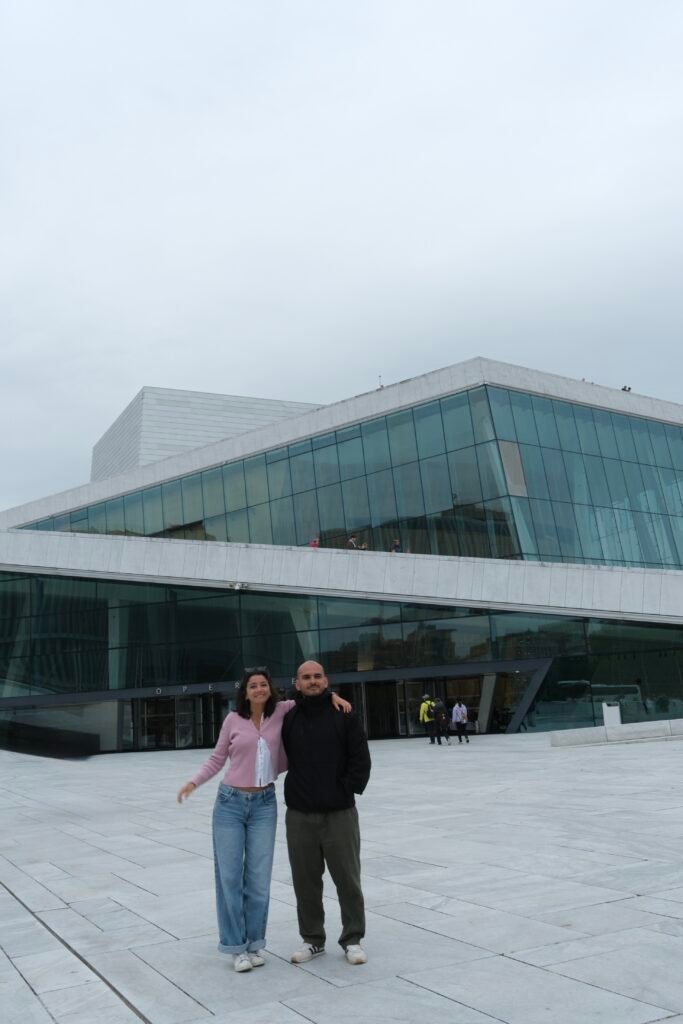
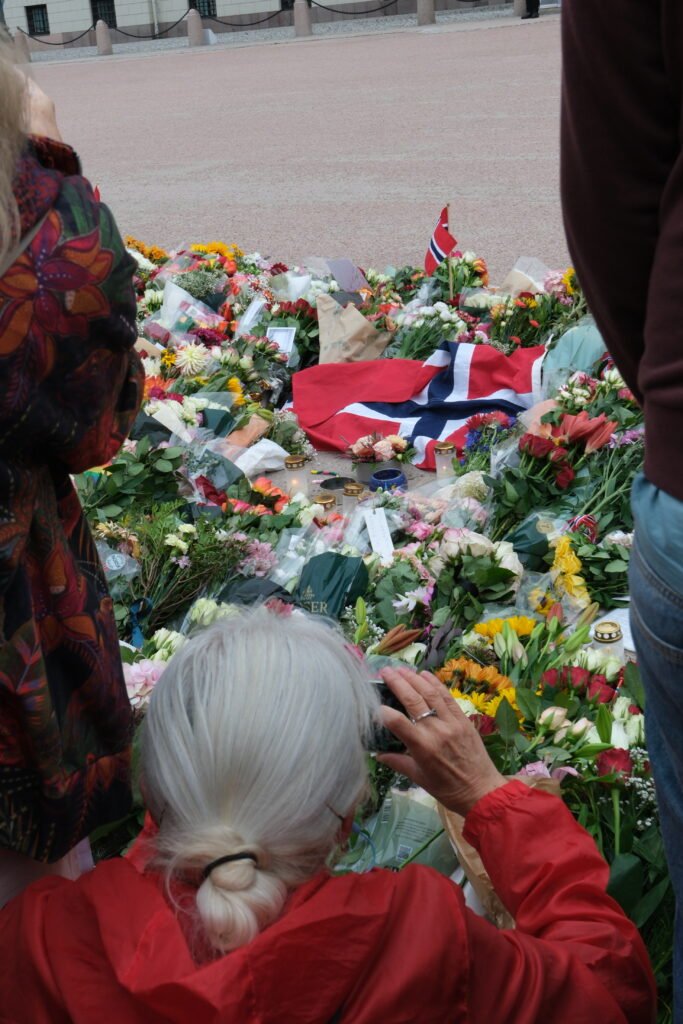
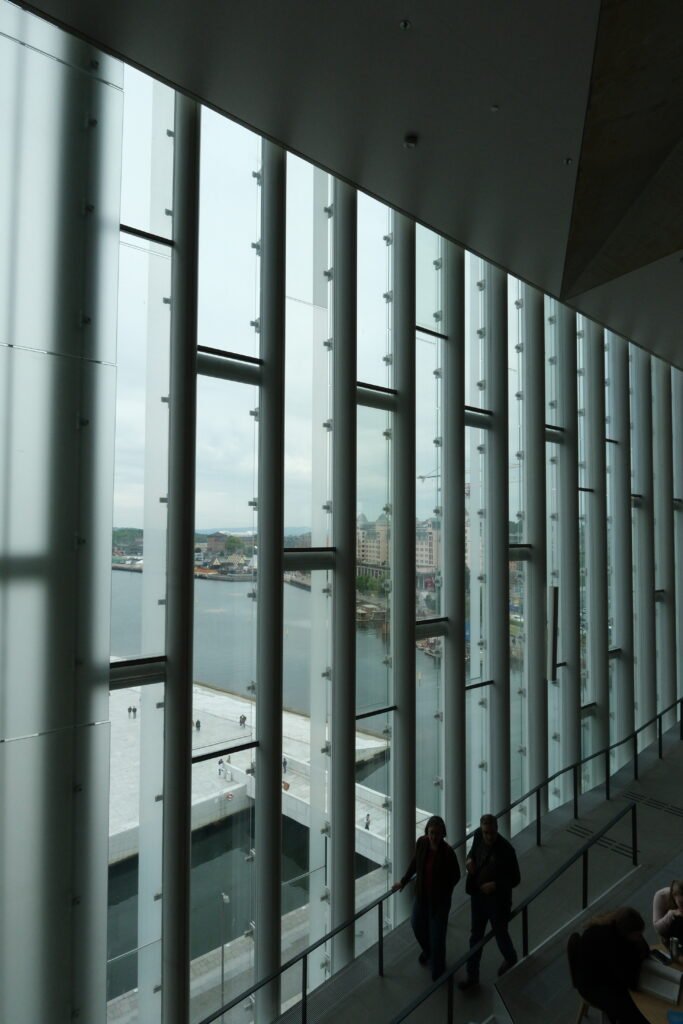
Read our full one-day Oslo cruise itinerary to see exactly how we fitted the main sights into a short port day.
Day 7: Copenhagen
Copenhagen was our final full stop and another city we would happily return to for longer.
We started with a GoBoat rental, which was one of the most fun ways to see the city. You drive the small electric boat yourself along the canals, bring snacks if you want to and see Copenhagen from a completely different perspective.
After that, we walked through City Hall Square, visited Torvehallerne food market, climbed the Rundetårn and wandered along Købmagergade and Amagertorv.
We also saw Christiansborg Palace, the Church of Our Saviour, Nyhavn, the Marble Church and Amalienborg Palace. We did not go inside Tivoli Gardens, but we passed by and still enjoyed seeing the entrance and atmosphere around it.
Copenhagen was busy, colourful and easy to explore on foot. It made a great final stop before returning to Germany.
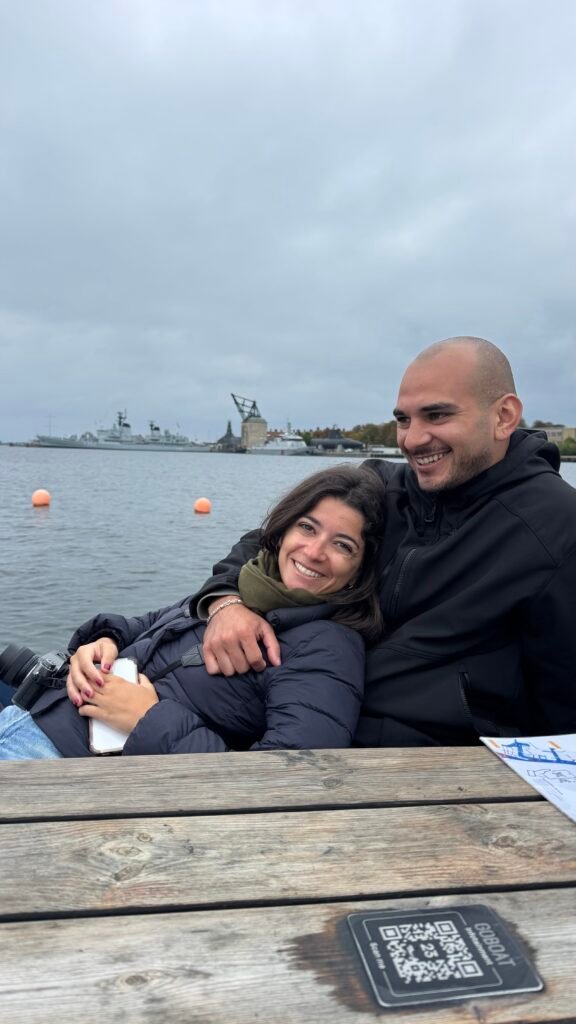
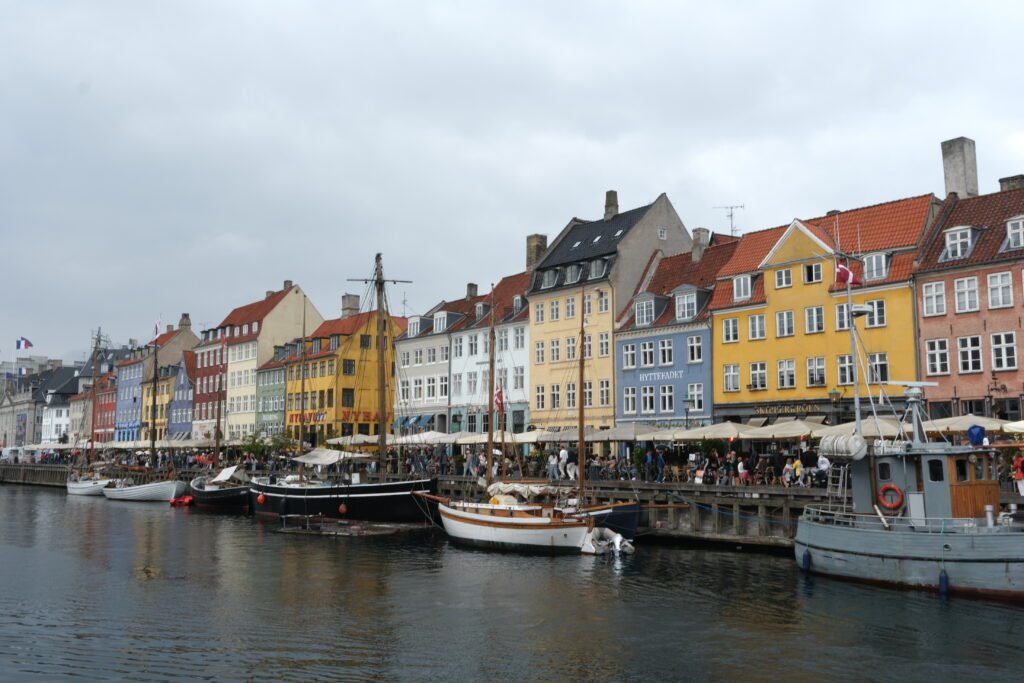
For the full route, practical tips and everything we would prioritise with limited time, read our guide to what to do in Copenhagen from a cruise ship.
Day 8: Back to Warnemünde
The final morning was mostly about breakfast, packing and disembarkation.
It is always slightly strange leaving a ship after a week of following the same routine. By then, you know your way around, recognise people at dinner and have become used to waking up somewhere different.
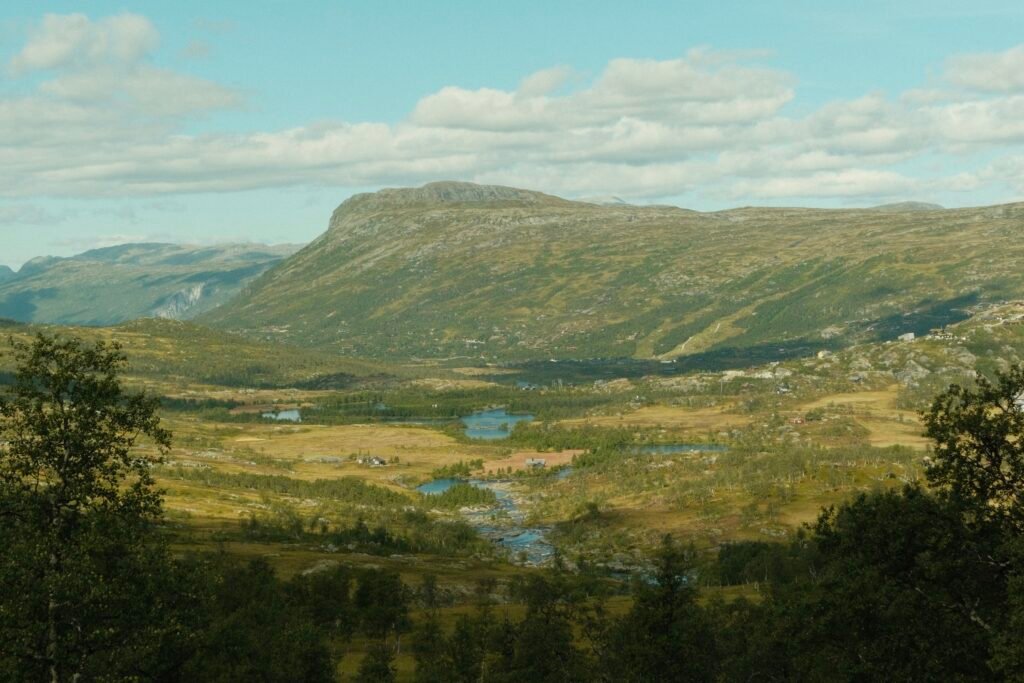
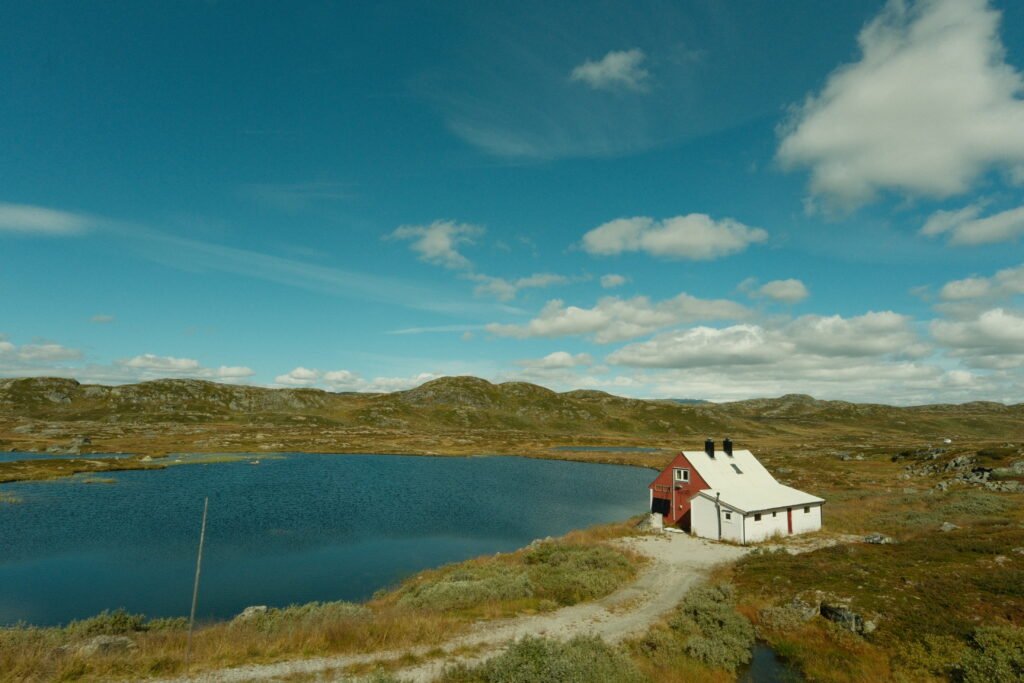
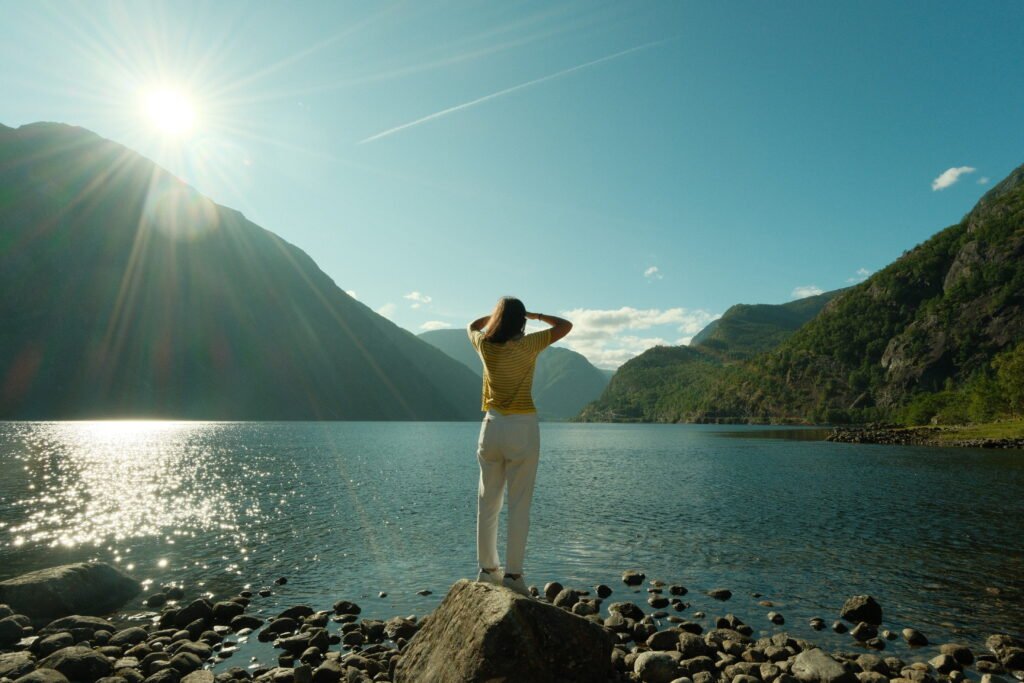
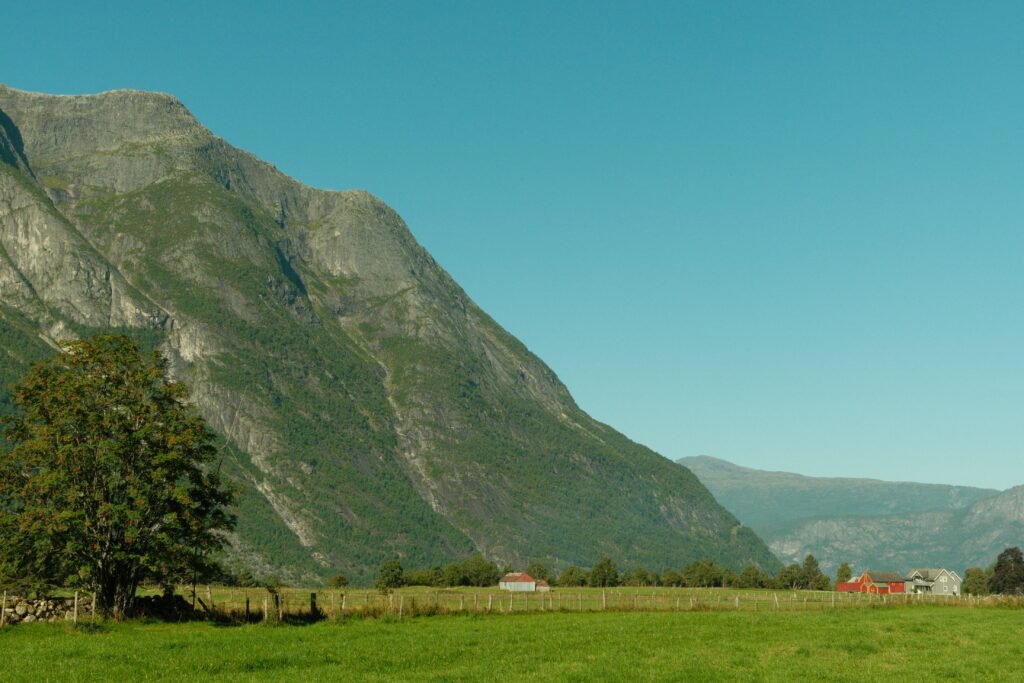
🏔️ The Norwegian Nature Was the Real Highlight
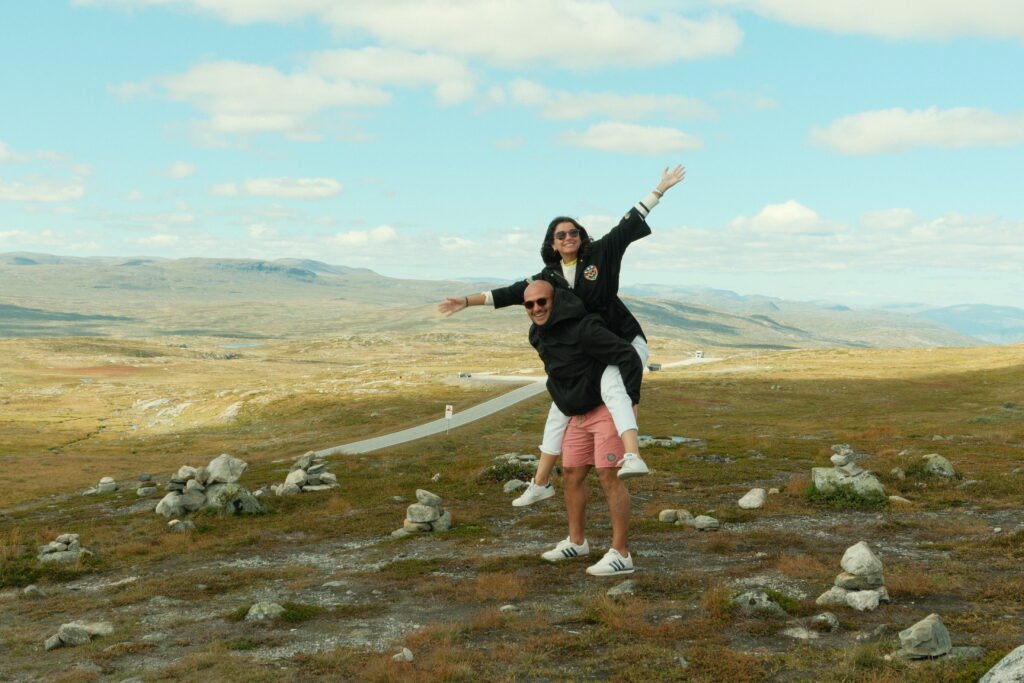
The cities were lovely, but the nature was the real reason to choose this itinerary.
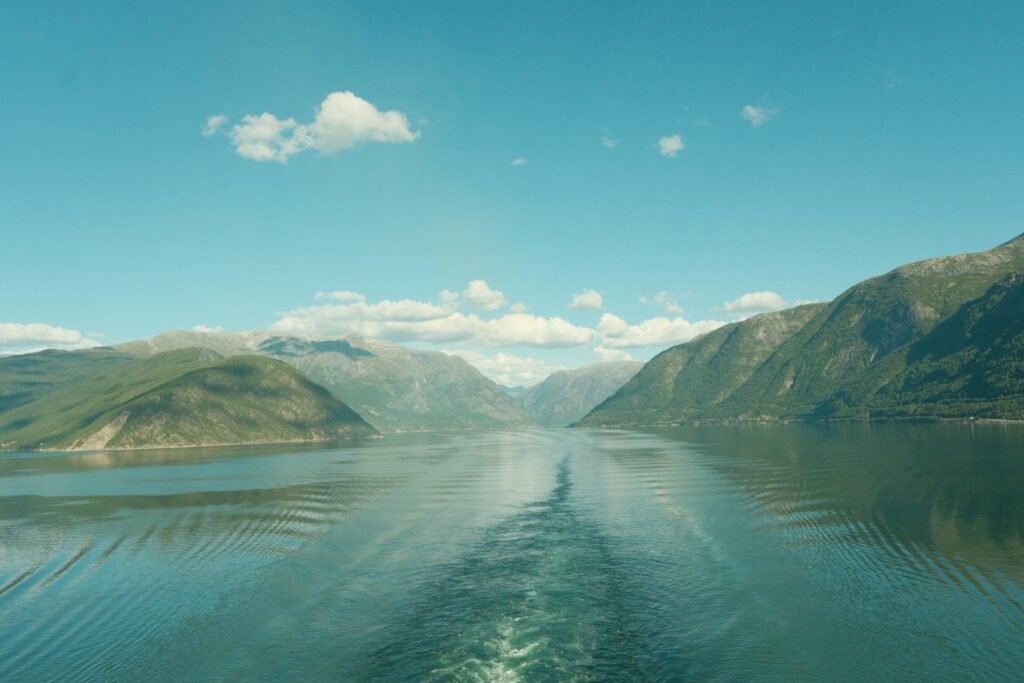
Eidfjord was the clearest example. We arrived surrounded by huge mountains, still water and tiny houses at the edge of the fjord. Then we spent the day walking beside the water, looking over dramatic landscapes and seeing Vøringsfossen, one of the most impressive waterfalls we have ever seen.
But the nature was not limited to one stop. In Stavanger, we cycled out to Sverd i Fjell and had a picnic beside the water. In Kristiansand, there were beaches, viewpoints and green spaces just a short walk from the port. Even the journey between destinations was part of it: the sea, the changing coastline and the mountains appearing around the ship.
This is why we would not treat the cruise as a way to tick off cities. Leave space in your plans to be outside, look around and enjoy the landscapes. In Norway, the views are often the experience.


🌊 Slow Down and Enjoy the Journey
One of the best things about a cruise is that you do not need to be doing something all the time.
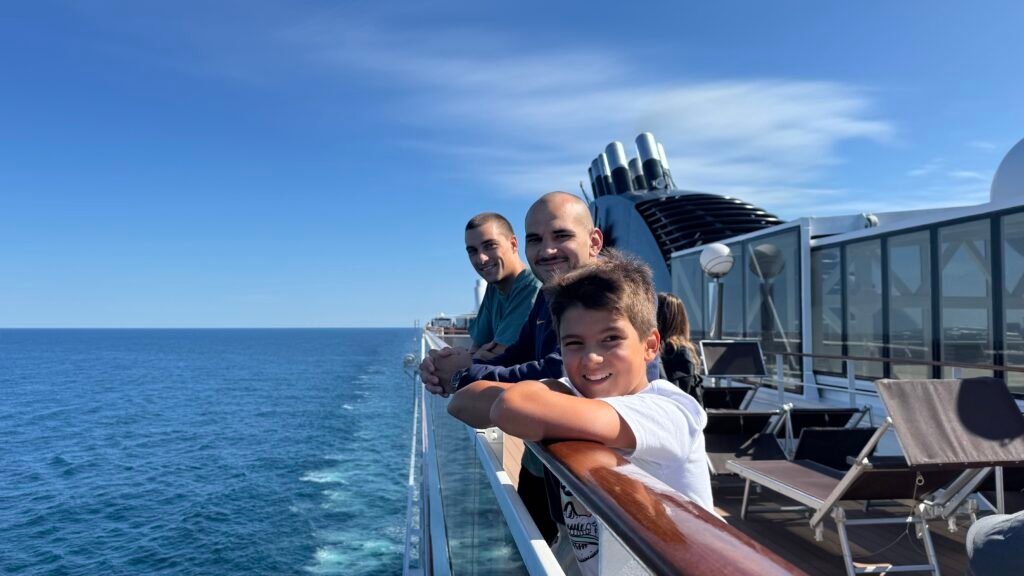
There is no pressure to move your luggage, catch another train or work out how to get to your next hotel. Between destinations, you can simply sit on deck, look at the sea, have a coffee and let the journey be part of the trip.
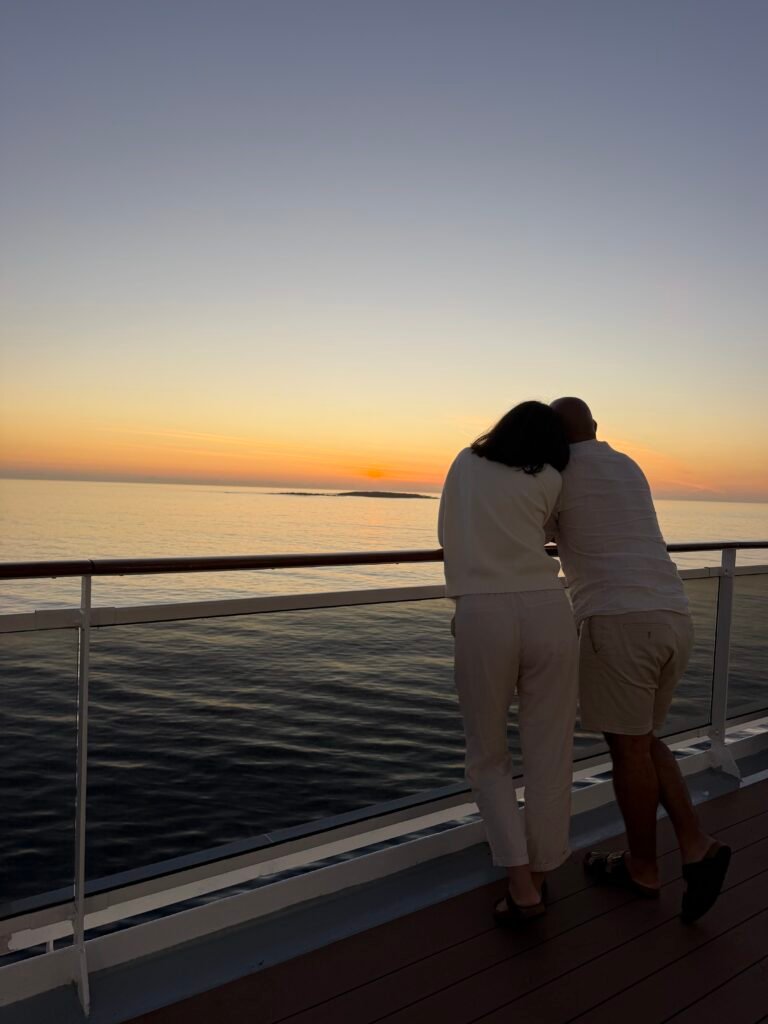
In the Norwegian fjords especially, make time to enjoy the nature from the ship itself. Go outside when you are sailing into or out of port, even if it is a little cold. The mountains become bigger around you, waterfalls appear in the distance and small houses slowly disappear along the shoreline.
We loved watching the ship leave each port, particularly Eidfjord. Sailing through the fjord was not just transport between destinations: it was one of the experiences we had travelled to Norway for.
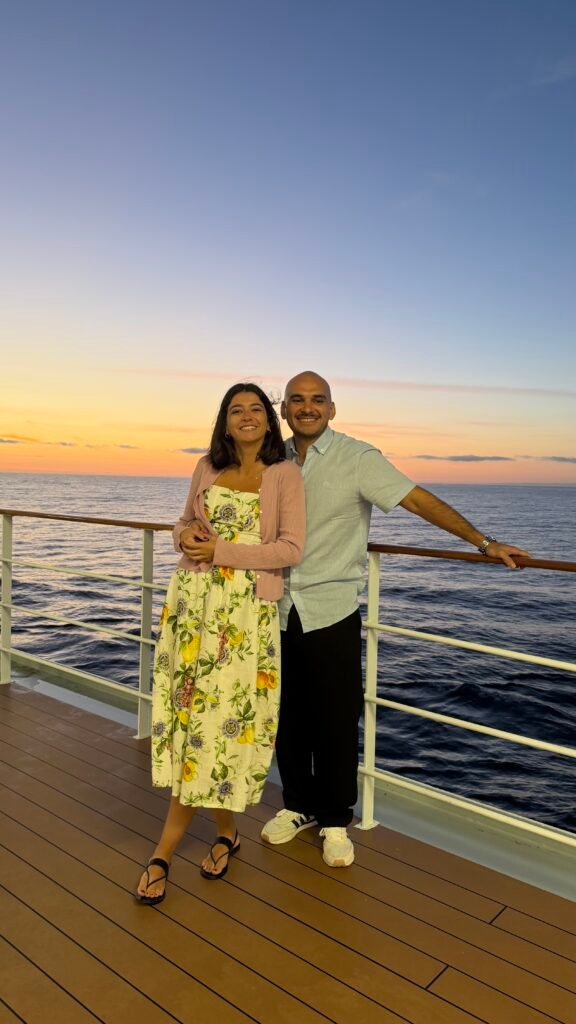
Watch the sunset at least once. And if you are adventurous enough to wake up early, watching the sunrise from the deck would be equally special. Bring a warm layer, find a quiet corner and give yourself time to simply look around.
The fjords are not only something you visit once you leave the ship. They are part of the whole journey.
⏰ What a Typical Day on the Cruise Looked Like
Every day on a cruise is different because everything depends on the port schedule.
Some days, we arrived later in the morning and had time to have a slow breakfast before going ashore. Other days required an early start. In Oslo, for example, we were in port from 7am until 4pm, so we made the effort to wake up early and be among the first people leaving the ship.
The most important thing is to check the daily programme and port times the evening before. It tells you when the ship arrives, when you need to be back on board and what is happening throughout the day.
Usually, we would have breakfast, leave the ship, spend the day exploring, return in the afternoon, shower and rest for a little while, then have dinner and watch a show. It is a very easy rhythm once you get used to it.
👗 Dressing Up on Board
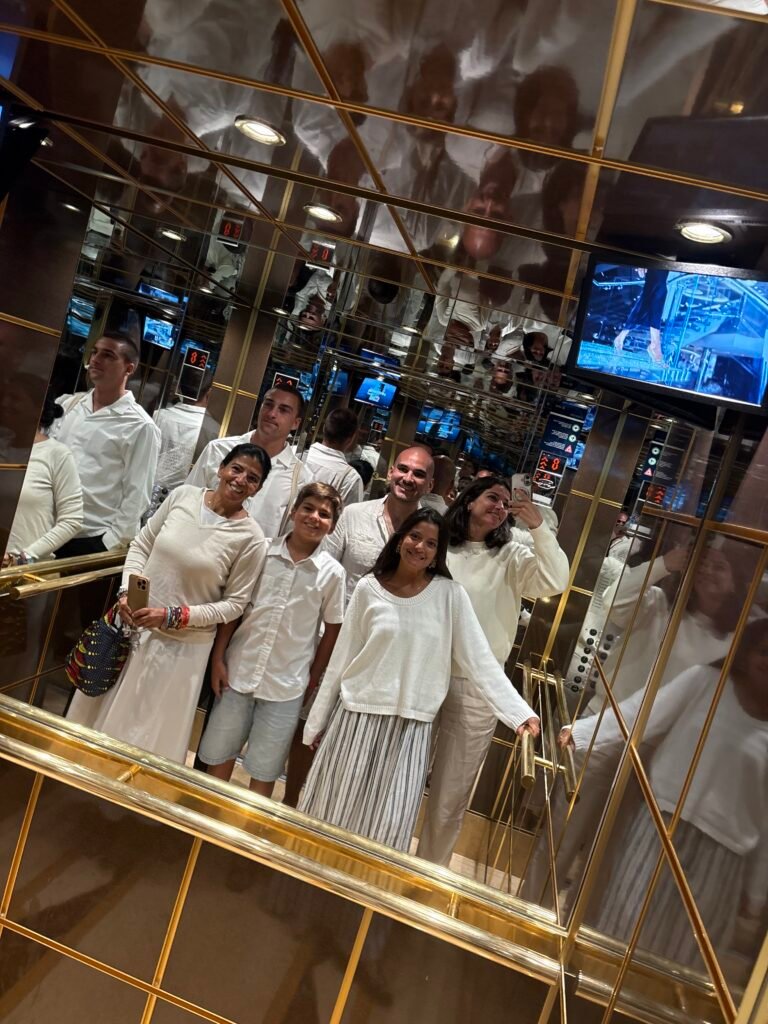
Each day, the cruise programme suggested a theme or style for the evening. We had White Night, elegant night, formal night, 1920s night and tropical night, among others.
It was completely optional. Some people followed the theme very seriously, while others dressed normally. We liked having a reason to wear something a little nicer for dinner, but never felt that it was strict or that we needed to buy anything special for it.
🛏️ Is an Inside Cabin Worth It?
We booked an inside cabin because it was the cheapest option.
Due to a problem with our original cabin, MSC upgraded us for free to a cabin with a window. It was lovely to have natural light and see the weather outside, but we would not say that a window or balcony is essential for this itinerary.
You spend much more time outside your cabin than you might expect. The ship has lounges, decks, cafés, restaurants and plenty of windows facing the sea. If booking an inside cabin means you can afford the trip more comfortably, we think it is a very sensible choice.
A balcony would be lovely for the fjords, especially around Eidfjord, but it is very much a luxury rather than a necessity.
🍽️ Food on MSC Magnifica
The food was better than we expected.
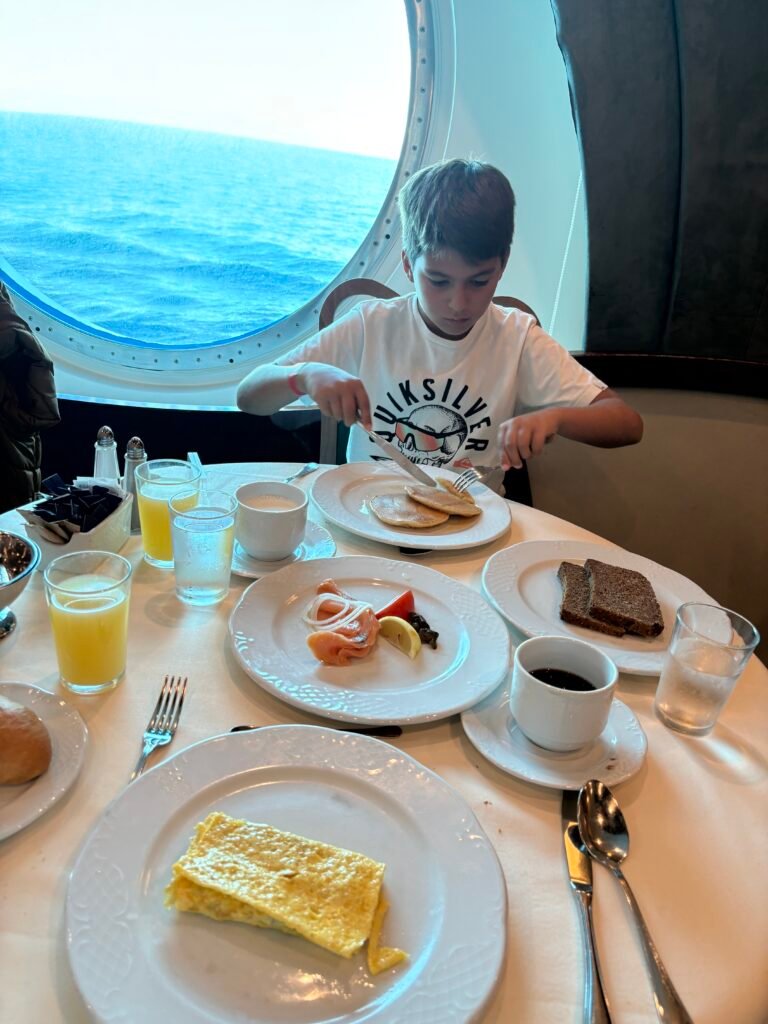
There was a lot of variety, especially at the buffet. Breakfast had pastries, fruit, cereals, eggs, hot options, breads and more. Lunch and dinner included different international dishes, salads, pasta, fish, meat, vegetables, desserts and plenty of simpler options too.
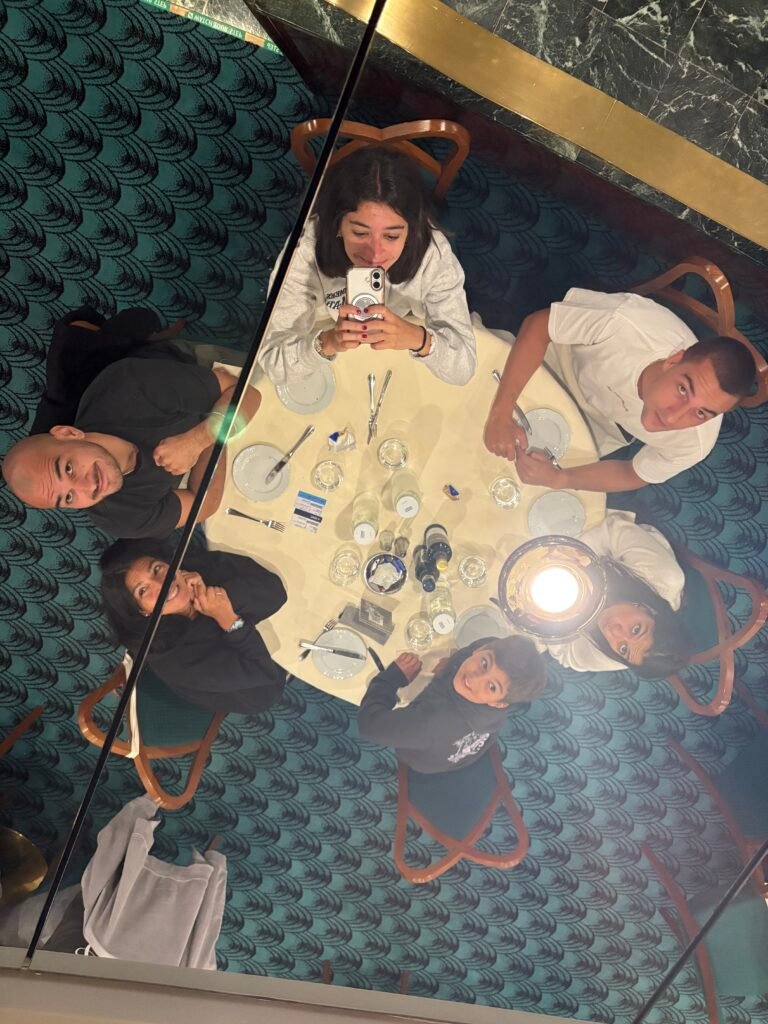
The buffet was ideal when we wanted flexibility or a quick meal. The main restaurant felt more like a proper evening out. People tended to dress up a little for dinner, which made it feel more special than simply eating on board.
We had an assigned dinner time and table, which was convenient, but the restaurant feeling came more from the atmosphere and the fact that everyone made a bit of an effort in the evening.
On our sailing, there was always something open: breakfast was available from around 6am to 11am, lunch from 12pm to 4pm, an afternoon snack from 5pm to 6pm, dinner from 7pm and a late buffet from 10pm until midnight. Exact times can change depending on the ship and itinerary, but you will not go hungry.
Do You Need a Drinks Package?
Probably not, unless you drink a lot.
We had the occasional glass of wine or beer and paid for drinks individually. For us, a drinks package would not have been worth it.
If you know you will have several alcoholic drinks every day, cocktails in the evening and drinks by the pool, it may make financial sense. But if you drink occasionally, calculate roughly what you would normally spend before committing to a package.
💳 Spending Money on the Ship
There are paid restaurants on board, but we never felt the need to try them.
On MSC Magnifica, there was a sushi restaurant and a steakhouse, but the included buffet and main restaurant had so much food and variety that we were happy with what was already included. The buffet, in particular, had plenty of choice every day.
There were also a few small shops selling gifts, accessories and souvenirs, but nothing that tempted us. We did not spend money on anything inside the ship beyond the occasional drink.
The larger costs came from each destination. It is very easy for a cruise to become expensive if you book a paid excursion, private driver or tour in every port. We think it is worth choosing carefully: spend more where it genuinely gives you access to something special, and explore independently when the city is easy to walk around.
📵 Wi-Fi on Board
We chose not to pay for Wi-Fi on the ship.
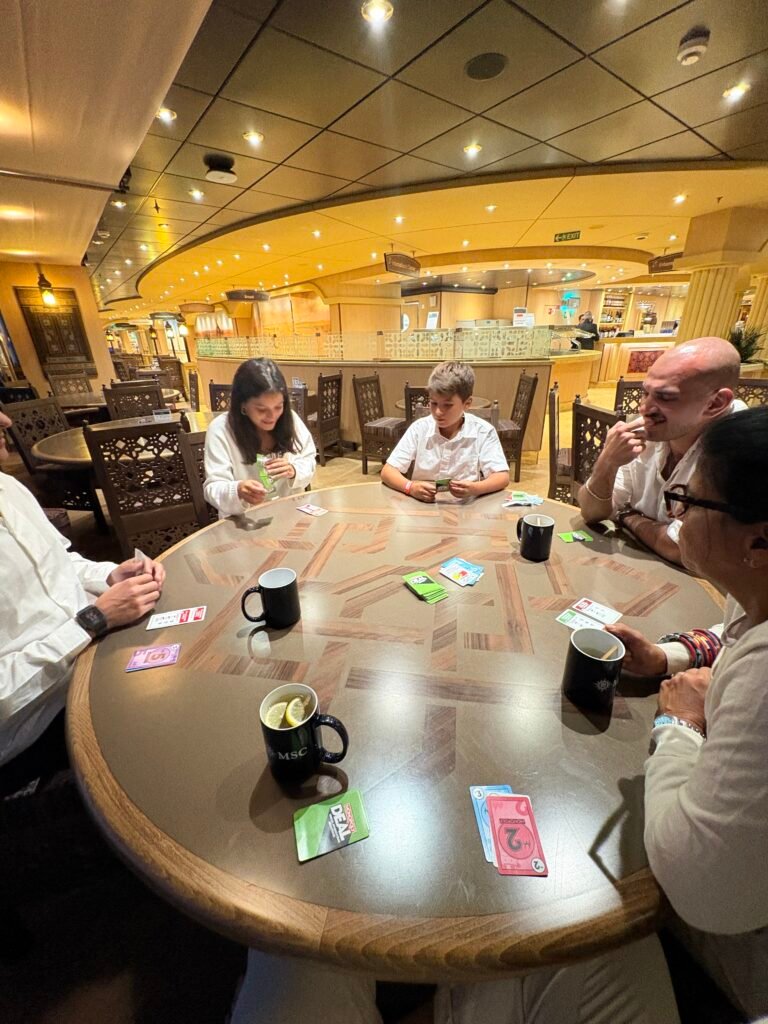
At first, it felt strange to be offline for a week. But it quickly became one of our favourite parts of the trip. We played games, talked more, read, watched the sea and actually paid attention to the places around us.
Not having Wi-Fi was lovely most of the time, but it could make finding each other slightly difficult. This mattered most when our family split into different groups or cabins. Sometimes we would walk around the ship for a while trying to find everyone, especially before dinner or after an activity.
We quickly created a simple system: the food area became our meeting point. We had a usual group of tables where we would look first if we had lost each other. This is particularly useful if you are travelling with children or a larger family group.
The cabin telephones were also useful, as you could call other cabins for free. It is a small thing, but worth knowing before you decide whether a Wi-Fi package is necessary for your group.
There is usually mobile signal when the ship is in port, depending on your provider and location. At sea, roaming can be expensive, so check your mobile plan carefully before using data.

🎭 What to Do on Board
There was more to do than we expected.
Every day, the ship published a programme with activities, games, music, classes, quizzes and shows. We did not join everything, but it was nice to have options.
The evening shows were particularly good. There were magic acts, musical performances, acrobatics and other entertainment in the theatre. They were an easy way to end the day after dinner.
You can also use the pools, gym, bars, lounges and outdoor decks. Or do absolutely nothing, which is also part of the appeal.
⚓ How to Plan Each Port Day
This was the biggest lesson from the trip: do not treat every port in the same way.
Some cities are easy to explore independently on foot, such as Stavanger, Kristiansand, Oslo and Copenhagen. For these, we usually made a rough walking route, marked a few places we wanted to see and left room to wander.
Other ports, especially Eidfjord, need more planning. If the places you want to see are far from the port, look at transport options in advance. You may need a rental car, private driver, local bus or independent tour.
We would divide port days into three types:
- Cities that are easy to explore independently: create a loose route and leave time for coffee, food and wandering.
- Ports with nature further away: research transport carefully and always leave plenty of time to get back to the ship.
- Smaller ports: visit the tourist information office if you are unsure what to do. They often have maps, local transport advice and recommendations.
One thing to remember before booking a cruise is that you are getting an introduction to each destination, not a full city break.
Some port days felt generous, while others felt short. Oslo, for example, was one of the places where we wished we had more time. We managed to see a lot by starting early, but there was still much more we would have liked to explore.
That is why planning matters so much. You need to prioritise what you really want from each port. Booking excursions or private drivers everywhere can make the trip significantly more expensive, but choosing one or two destinations where it is genuinely worthwhile can completely change the experience.
🚌 Are Cruise Line Excursions Worth It?
We did not book any excursions through MSC.
That does not mean cruise excursions are always a bad idea. They can be useful if you are nervous about transport, visiting somewhere remote or want the reassurance that the ship will wait if the official tour is delayed.
However, from previous cruise experience, we felt that ship excursions can be expensive and involve larger groups than we personally enjoy.
We used the cruise excursions as inspiration, then compared independent options on platforms such as GetYourGuide and Civitatis. This worked well for us, especially in Eidfjord, but it does require more organisation.
If you book independently, always leave a generous buffer before all-aboard time. Missing the ship is not a risk worth taking.
🧥 What to Pack for a Norwegian Fjords Cruise
Even in August, bring a warm layer and a waterproof jacket. The weather can change very quickly in Norway, especially around the fjords and waterfalls.
Comfortable walking shoes are essential, as are clothes you can layer. We had warm sunshine in some ports, cooler wind on deck and rain during parts of the trip.
Do not forget a swimsuit. You can use it for the ship’s pools and jacuzzis, but it is also worth having one for saunas or swimming opportunities in some destinations.
You do not need to dress formally every evening, but it is nice to bring one or two outfits for dinner if you enjoy getting ready.
💶 How Much Did Our Norwegian Fjords Cruise Cost?
Our cruise cost around €1,000 per person for an inside cabin.
That works out at roughly €143 per person, per night for seven nights. This included accommodation, most meals, entertainment, access to the ship and transport between all of the destinations.
It did not include:
- Transport to and from Warnemünde
- Drinks
- Wi-Fi
- Optional excursions
- Food, transport and activities in each destination
A cruise will not always be the cheapest way to travel. But in peak summer, when accommodation and transport in Norway and Copenhagen can become very expensive, it can be much better value than people expect.
When you compare the daily cost with seven hotel nights, meals, trains or flights between destinations and entertainment, the cruise can make financial sense — particularly for a route that would otherwise be difficult to organise independently.
We will break down what we spent in each port in our individual destination guides, as costs varied considerably between the smaller Norwegian ports and Copenhagen.
⭐ Who We Think This Cruise Is Best For
This itinerary is ideal for couples, families and first-time cruise travellers who want to see a lot without constantly changing hotels.
It is particularly good if you like a mix of city exploring, dramatic nature, comfortable travel and evenings where everything is already organised for you.
It may be less suitable if you prefer spending several days getting to know one city properly, dislike fixed schedules or want complete spontaneity every day. A cruise gives you a brilliant overview of many places, but you always need to be back on board by a set time.
Oslo and Copenhagen are cities we would probably visit one day with or without a cruise. But smaller destinations such as Eidfjord and Stavanger are places we may never have planned a separate trip around. The cruise made them much easier to experience.
⭐ Our Norwegian Fjords Cruise Review: The Verdict
This Norwegian fjords cruise review comes down to one thing: for this particular route, the cruise was an excellent way to travel.
The fjords were the real reason to go, and Eidfjord alone made the trip memorable. But the mix of smaller Norwegian ports, Oslo, Copenhagen and quiet moments on board made the full week feel varied rather than repetitive.
Our main advice would be to choose an itinerary with plenty of ports and no more than one or two sea days on a one-week cruise. Research each stop before you go, decide where independent exploring makes sense and do not feel pressure to pay for every extra package on board.
You do not need a balcony, unlimited drinks or Wi-Fi to have a brilliant time. For us, the best parts were the scenery, the freedom of waking up somewhere new and having a full week to slow down together.
More than anything, it was an excellent family trip: a chance to spend proper time together while sharing experiences that worked for different ages. We came home with memories of dramatic fjord landscapes, small Nordic cities, long dinners, card games, sunsets at sea and the feeling that we had experienced both nature and culture without rushing from one place to the next