
Best Things to Do in Berlin: What’s Actually Worth It
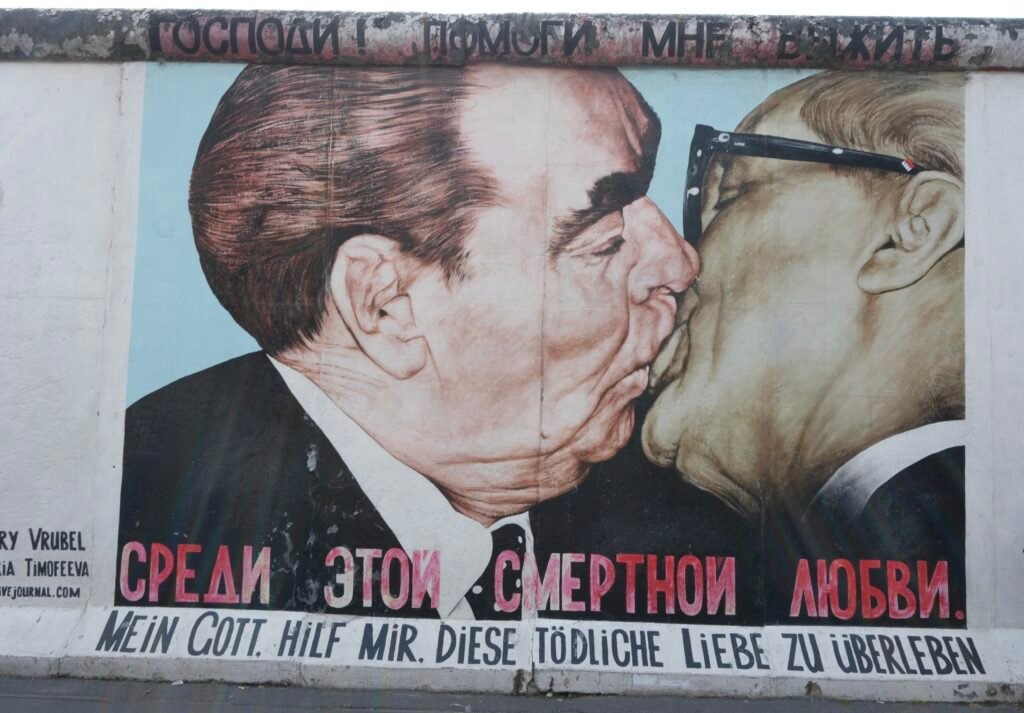
Berlin is the definition of a historic city, even when it does not always look like one at first.
If you are deciding what to do in Berlin, it helps to know that its most meaningful experiences are not always the most obvious landmarks. Some of its most important stories are hidden in former railway stations, empty squares, ordinary-looking buildings and fragments of the Wall. They are the places that help you understand what happened here — and then make you see the rest of the city differently.
Berlin’s history includes the rise of Nazism, the Holocaust, the Second World War, the division between East and West, the Berlin Wall and its fall in 1989. It can feel heavy, but learning even a little context before you visit makes the city much more meaningful.
At the same time, Berlin is not only a place of memorials and museums. It is creative, alternative, political, messy, artistic and full of small moments that make it feel completely unlike other European capitals.
Here are the things we think are genuinely worth your time.
Some links on Worthwhile Guides are affiliate links. This means we may earn a small commission if you book through them, at no extra cost to you. We only share places and experiences we genuinely believe may be useful to our readers.
What to Do in Berlin: What’s Inside
- What to know before visiting Berlin
- Connect with Berlin’s history
- Understand the divided city
- Berlin’s alternative side
- Museum Island and Berlin Cathedral
- Berlin after dark
- What to eat in Berlin
- Other things to do in Berlin if you have time
- Best day trips from Berlin
- Our Worthwhile Verdict
If you are looking for a day-by-day route rather than a full list of ideas, read our 3 Days in Berlin: Our Perfect Itinerary. It follows exactly what we did, including where we stayed, the route we took and the places we would prioritise again.
In a Rush? Here Are Our Favourite Hotels in Berlin
⭐️ CALMA Berlin Mitte — Click here for rates & availability
⭐️ Hotel Johann — Click here for rates & availability
⭐️ Hotel Oderberger — Click here for rates & availability
Not sure which neighbourhood to choose? See more hotels in our complete Berlin accommodation guide
What to Know Before Visiting Berlin
You do not need to become an expert in German history before visiting Berlin. But a little context helps enormously.
In 1933, Adolf Hitler and the Nazi Party came to power in Germany. The government quickly turned Germany into a dictatorship, removing political opposition, controlling the media and persecuting Jewish people and other minorities.
The Nazis blamed Jewish people for many of Germany’s problems and introduced increasingly cruel laws that excluded them from everyday life. During the Holocaust, six million Jewish people were murdered by the Nazis.
In 1939, Nazi Germany invaded Poland. Britain and France had promised to protect Poland, so they declared war on Germany. This was the beginning of the Second World War in Europe.
Germany initially fought alongside Italy and Japan, while the countries fighting against them became known as the Allied powers. The most important Allies in Europe were the United Kingdom, the United States, France and the Soviet Union.
The war ended in 1945 with Germany’s defeat. Berlin had been heavily bombed and much of the city was destroyed.
After the war, the Allies divided Germany into four occupation zones so that no single power would control the country. Berlin, although it was deep inside the Soviet zone, was also divided into four sectors controlled by the United States, the United Kingdom, France and the Soviet Union.
At first, the four powers were meant to govern Germany together. But they had very different ideas about what the country should become. The western powers wanted a democratic Germany with a market economy, while the Soviet Union wanted a communist Germany controlled by one political party.
By 1949, Germany had become two separate countries. West Germany was democratic and aligned with the western powers. East Germany was communist and controlled by the Soviet-backed government.
Berlin became divided too. West Berlin was made up of the American, British and French sectors. East Berlin was controlled by the Soviet Union and became the capital of East Germany.
Many people in East Germany wanted to move to the West. Some wanted more political freedom, others wanted better work opportunities or simply wanted to join family members already living there. Before the Wall was built, people could still cross through Berlin, so many East Germans used the city as their way out.
On 13 August 1961, the East German government began building the Berlin Wall. It was built to stop people leaving East Germany for the West. Families, friends and entire neighbourhoods were separated overnight.
The western powers strongly criticised the Wall, but they did not remove it by force because that could have led to a direct war with the Soviet Union. Instead, the Wall remained for almost 28 years.
By 1989, people across East Germany were demanding more freedom. Large peaceful demonstrations took place, and the communist governments across Eastern Europe were beginning to collapse. On 9 November 1989, after a confusing government announcement about new travel rules, crowds gathered at the border crossings. The guards eventually opened them.
People climbed onto the Wall, crossed into West Berlin and began breaking pieces off with hammers. The fall of the Berlin Wall became one of the most important symbols of the end of the Cold War.
A section of the Wall remained standing beside the River Spree. In 1990, artists from around the world painted it, creating what is now the East Side Gallery.
That history is everywhere in Berlin. The more you understand it, the more powerful the city becomes.
If you prefer having the story explained as you walk, a guided history tour can be one of the most worthwhile ways to see Berlin. It helps connect places such as the Reichstag, Brandenburg Gate, the Holocaust Memorial and the former Wall route into one clear story.
Connect With Berlin’s History
🕯️ Topography of Terror
Topography of Terror is one of the best places to start if you want to understand Berlin’s Nazi history.
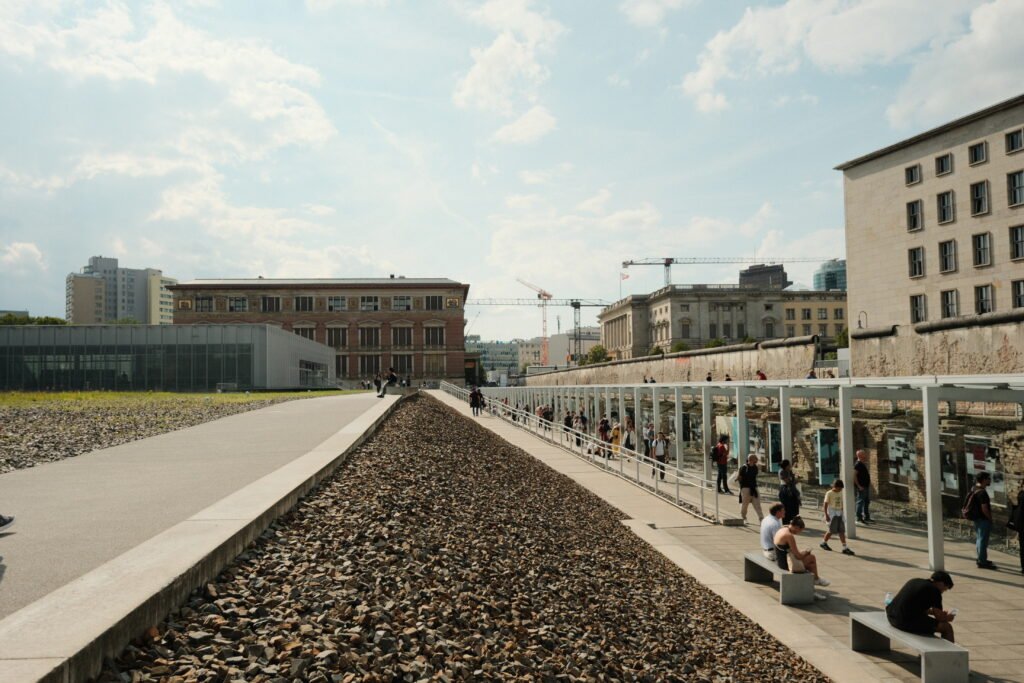
The museum stands on the former site of the headquarters of the Gestapo and SS. It explains how the Nazi regime came to power, how persecution became systematic and how the machinery of terror operated.
There is an indoor exhibition and a large outdoor section beside one of the remaining pieces of the Berlin Wall.
We would begin with the outdoor exhibition. It gives a clear chronological overview of the period from 1933 to 1945 and helps you understand the bigger picture before going into more detail.
Afterwards, go inside if you want to learn more. The indoor exhibition is important, extremely well researched and full of photographs, documents and political information. But it can feel intense, so starting outside makes it much easier to follow.
🕊️ Memorial to the Murdered Jews of Europe
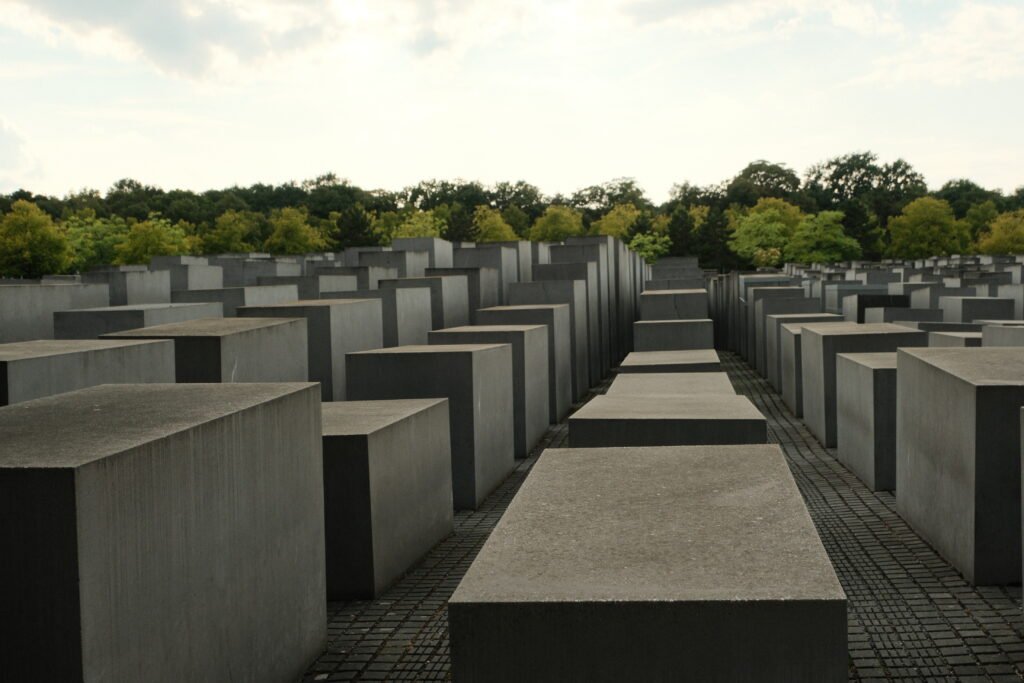
The Memorial to the Murdered Jews of Europe, also known as the Holocaust Memorial, is one of the most moving places in Berlin.
From above, it is a huge field of 2,711 concrete blocks of different heights. As you walk further inside, the ground drops and the blocks become taller. The city slowly disappears around you.
There are no signs telling you exactly how to feel or what each block represents. That is part of what makes it so powerful. It gives you room to reflect rather than trying to explain everything for you.
Underneath the memorial is the Place of Information, which focuses on individual letters, family stories and the persecution of Jewish people across Europe.
Even if you do not have time to visit the exhibition below, walking through the memorial itself is essential.
✡️ Jewish Museum Berlin
The Jewish Museum Berlin is worth visiting if you want a broader understanding of Jewish life in Germany, rather than only learning about the Holocaust.
Its main exhibition follows Jewish history, culture and everyday life in Germany from the past to the present. The building itself, designed by Daniel Libeskind, is also part of the experience: its unusual shape, empty voids and sharp lines make the visit feel emotional before you even begin reading the exhibitions.
It is a large museum, so give it a few hours rather than trying to rush through it. If Jewish history is something you want to understand properly, we would choose this over trying to squeeze in too many museums in one day.
🖼️ East Side Gallery
The East Side Gallery is the longest remaining section of the Berlin Wall, stretching for around 1.3 kilometres beside the River Spree.
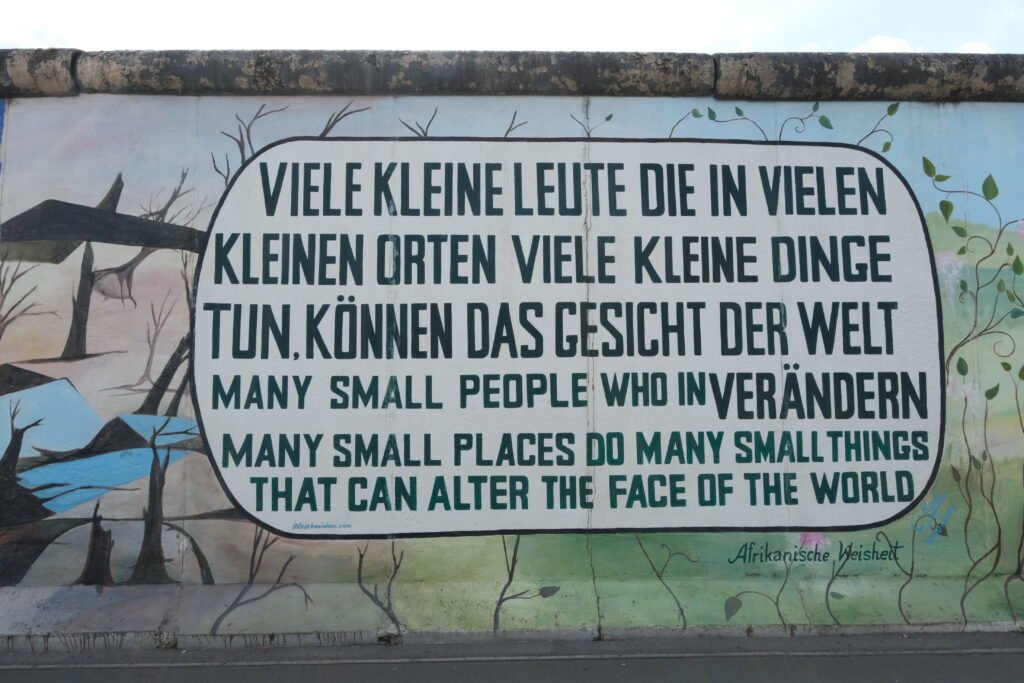
After the Wall fell in 1989, artists from around the world painted murals on its eastern side. The result is an open-air gallery full of messages about freedom, fear, hope, unity and the end of division.
Some paintings are instantly recognisable, including the famous mural of Leonid Brezhnev and Erich Honecker kissing, and the Trabant car appearing to break through the Wall.
It is free to visit and easy to explore at your own pace. Even if you do not know the story behind every mural, standing beside the physical Wall makes Berlin’s recent past feel much more real.
📖 Bebelplatz
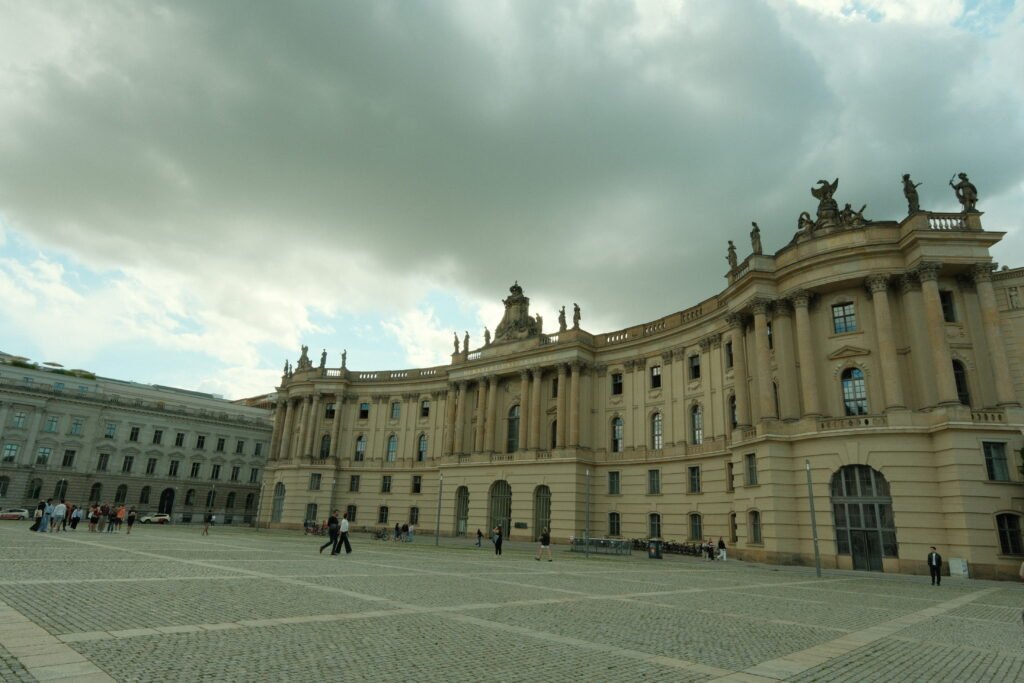
Bebelplatz is one of the most beautiful squares in central Berlin, surrounded by the State Opera, the Old Library and St. Hedwig’s Cathedral.
But it is also the site of one of the darkest moments in the city’s history.
On 10 May 1933, Nazi students burned thousands of books here. The authors included Jewish writers, political opponents and anyone considered “un-German” by the regime.
Look down as you cross the square. Beneath a glass panel in the ground is an underground room filled with empty bookshelves, created by artist Micha Ullman. It is easy to miss, but it is one of the simplest and most powerful memorials in Berlin.
It is small, free and easy to visit, but worth far more than the few minutes it takes.
🏛️ Brandenburg Gate and the Reichstag Dome
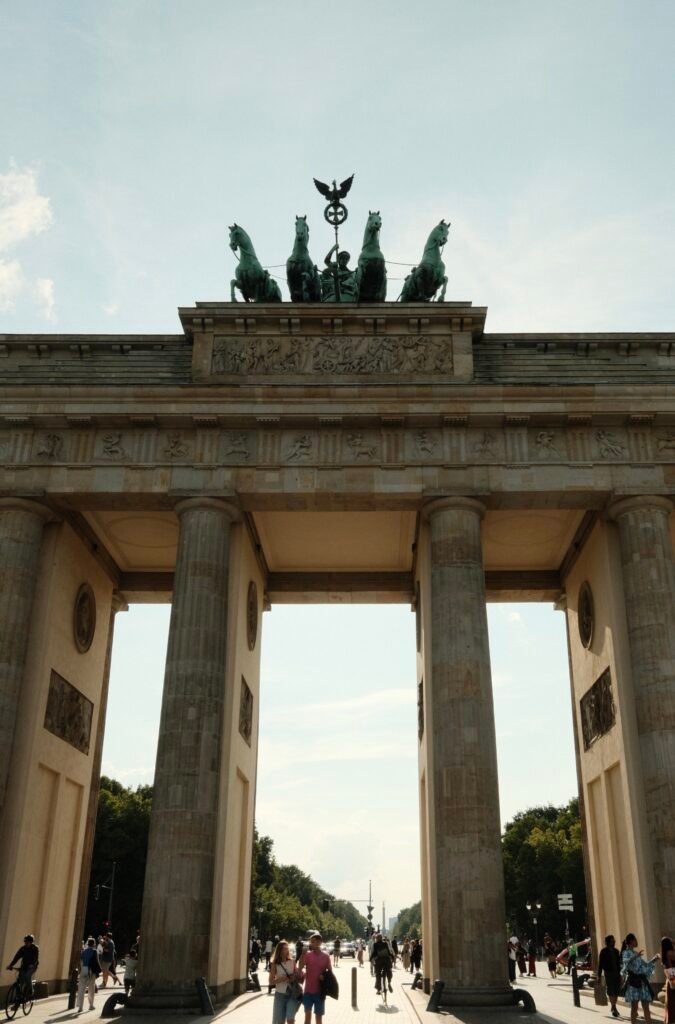
Brandenburg Gate is Berlin’s most recognisable landmark.
Originally built in the late 18th century, it later became a symbol of division because it stood in the restricted border area during the Cold War. After the fall of the Wall, it became a symbol of reunification.
It is worth seeing, especially once you understand the history of the memorials and museums around it.
Right beside it is the Reichstag, home of the German parliament, the Bundestag.
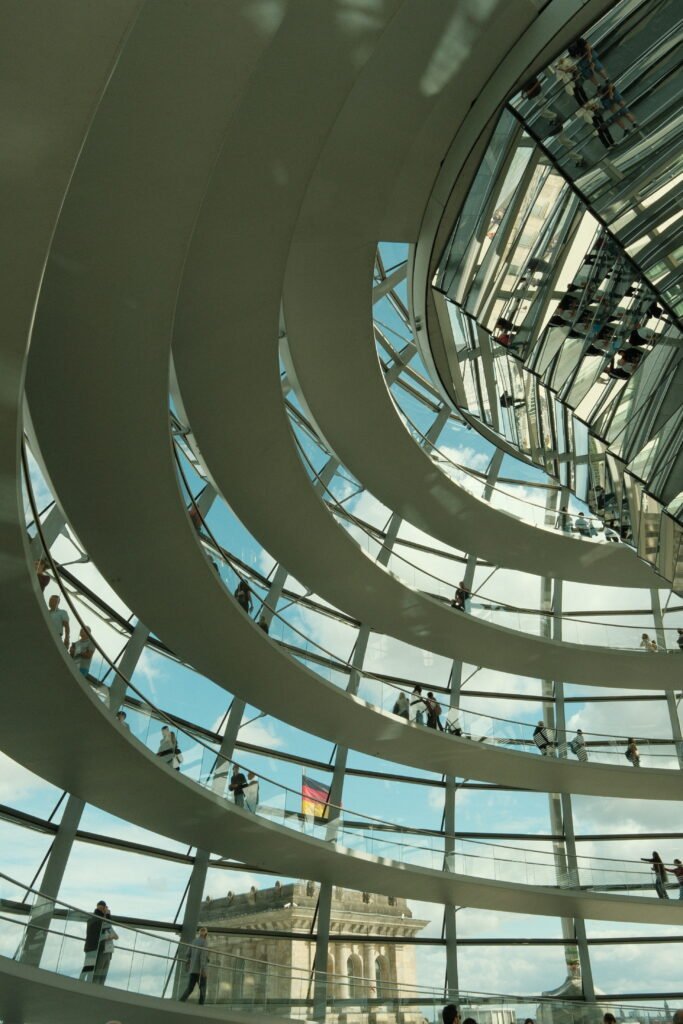
The glass dome is free to visit, but you need to reserve a time slot in advance and bring official photo identification. Do not leave the reservation until the last minute, especially during busy periods.
Inside, you walk up a spiral path through the dome with views across Berlin and the surrounding government district. There is also a free audio guide and a panoramic map to help you identify the buildings around the city.
The dome was designed as a symbol of transparency in modern German democracy. It is not only a good viewpoint, but one of the clearest examples of how Berlin has tried to confront its past while building a different future.
Understand the Divided City
🏙️ Karl-Marx-Allee and Frankfurter Tor
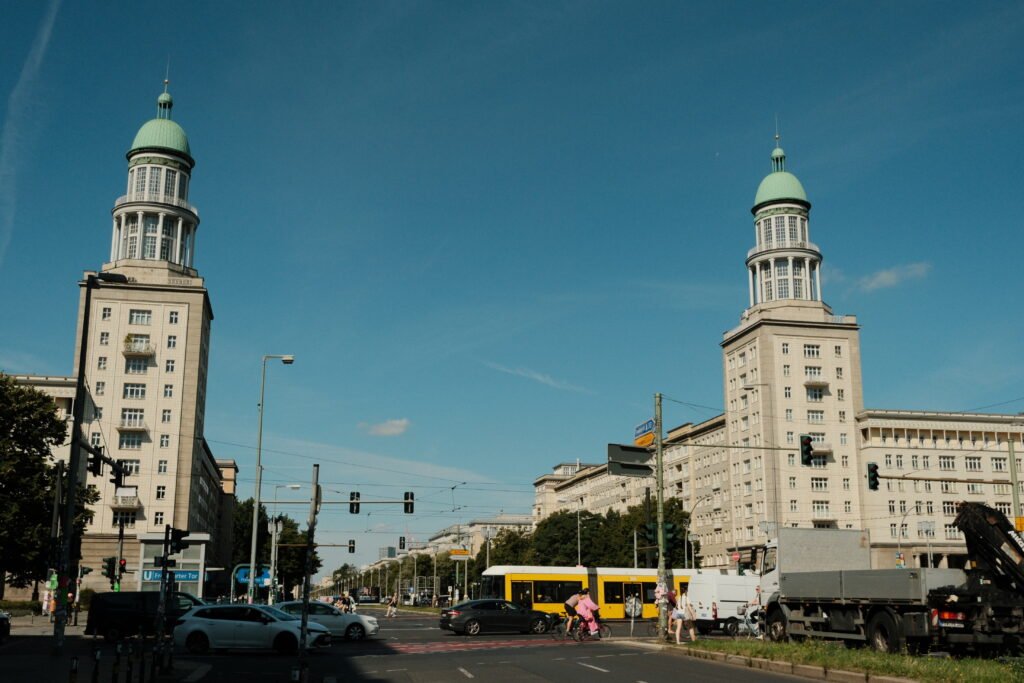
If you want to understand the visual contrast between East and West Berlin, start at Frankfurter Tor.
The two grand towers and the huge boulevard of Karl-Marx-Allee were built in East Berlin after the Second World War. The architecture was meant to show the strength and ambition of the socialist state.
Look at the enormous scale of the buildings: wide avenues, symmetrical façades, decorative towers, arches, columns and large apartment blocks designed for workers. The buildings were intended to feel monumental and impressive, almost like palaces for ordinary people.
It feels very different from the historic centre of Berlin, and even from other parts of East Berlin.
Walk along the avenue slowly and look up at the details. Even if architecture is not normally your thing, this area helps you understand how East Germany wanted to present itself to the world.
🌉 Friedrichshain, Kreuzberg and Oberbaumbrücke
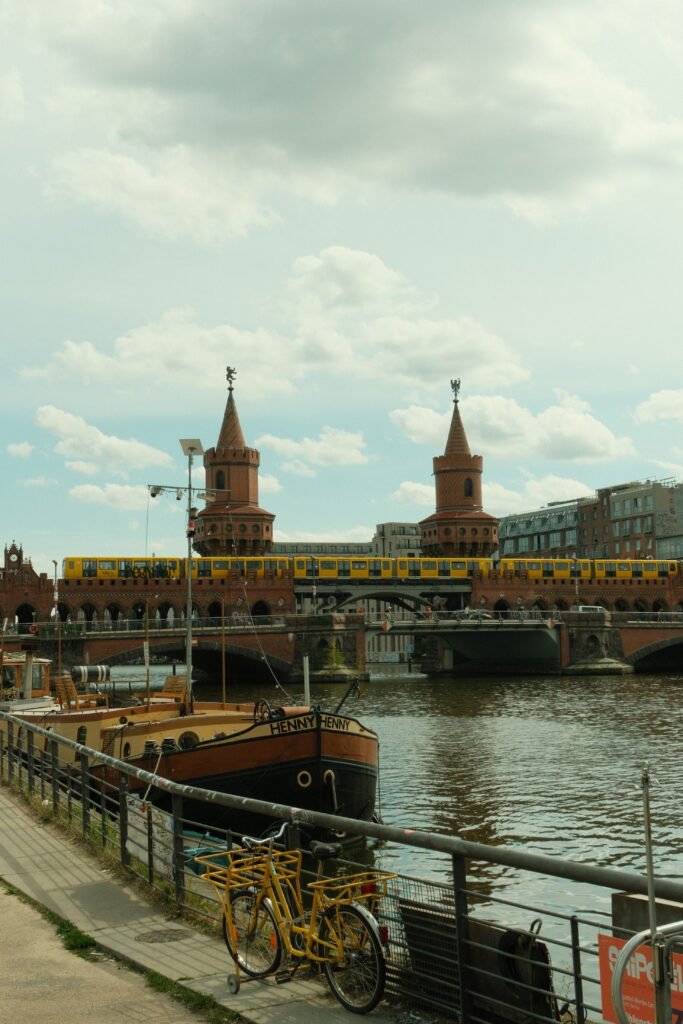
Friedrichshain and Kreuzberg sit on opposite sides of the River Spree, connected by Oberbaumbrücke.
Oberbaumbrücke is a red-brick bridge with two towers, built in the late 19th century. It carries cars, pedestrians, cyclists and the U-Bahn across the river.
During the Cold War, Friedrichshain was in East Berlin and Kreuzberg was in West Berlin. The bridge became part of the border between two completely different parts of the city.
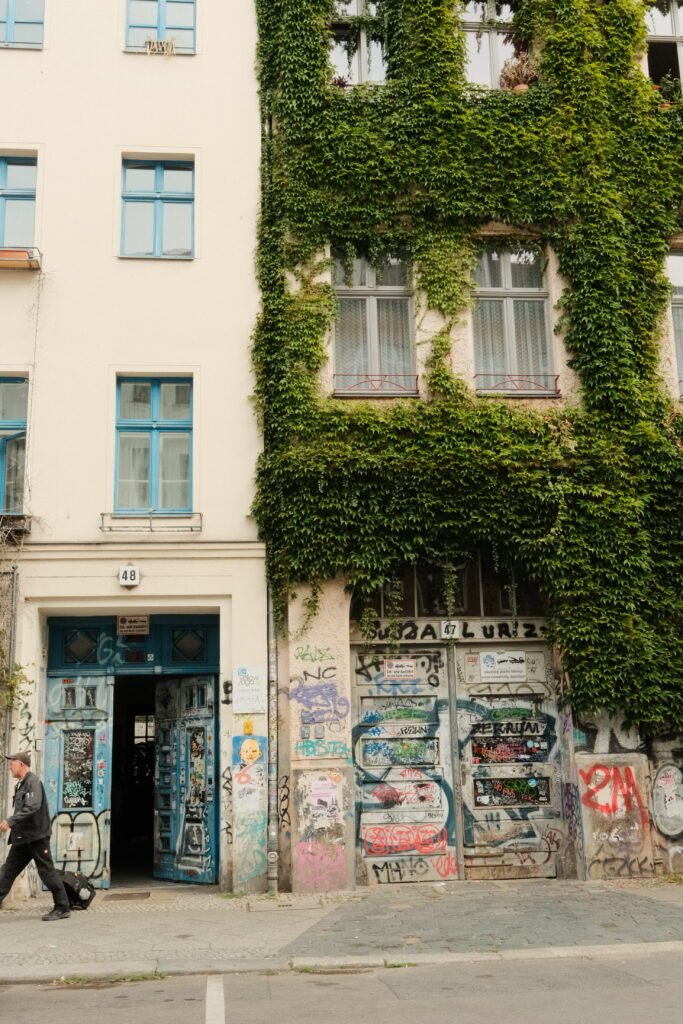
Today, both neighbourhoods are lively and creative, but they still feel different from one another.
Friedrichshain has broad East German avenues, street art, bars and alternative spaces. Kreuzberg feels more multicultural, spontaneous and full of cafés, small shops and places to wander without a plan.
Walk across the bridge, then leave time to explore both sides of the river slowly.
Berlin’s Alternative Side
🎨 RAW-Gelände
RAW-Gelände is one of the places that makes Berlin feel most different from other European capitals.
This former railway repair yard is now full of graffiti, bars, studios, food spots and unexpected corners. It is not a polished attraction, and that is exactly the point.
You can stop for a coffee, look at the street art, have a drink or simply wander around. We even found a tiny disco inside what looked like an old telephone booth.
RAW-Gelände is not somewhere to rush through with a checklist. It is better when you leave room to be surprised.
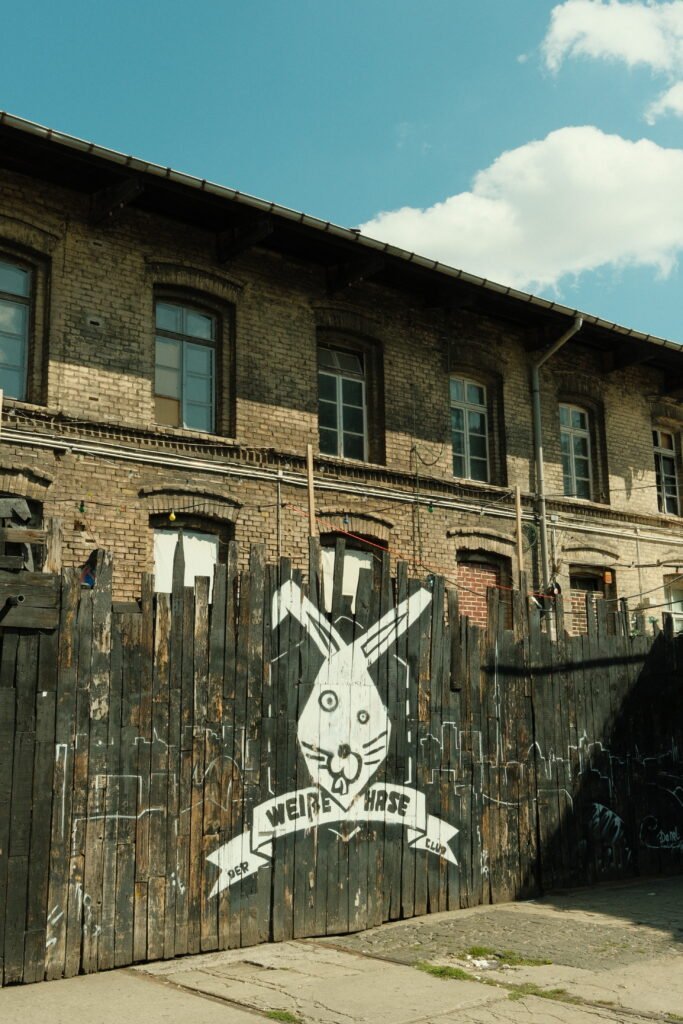
🧑🎨 Street Art and the Astronaut Mural
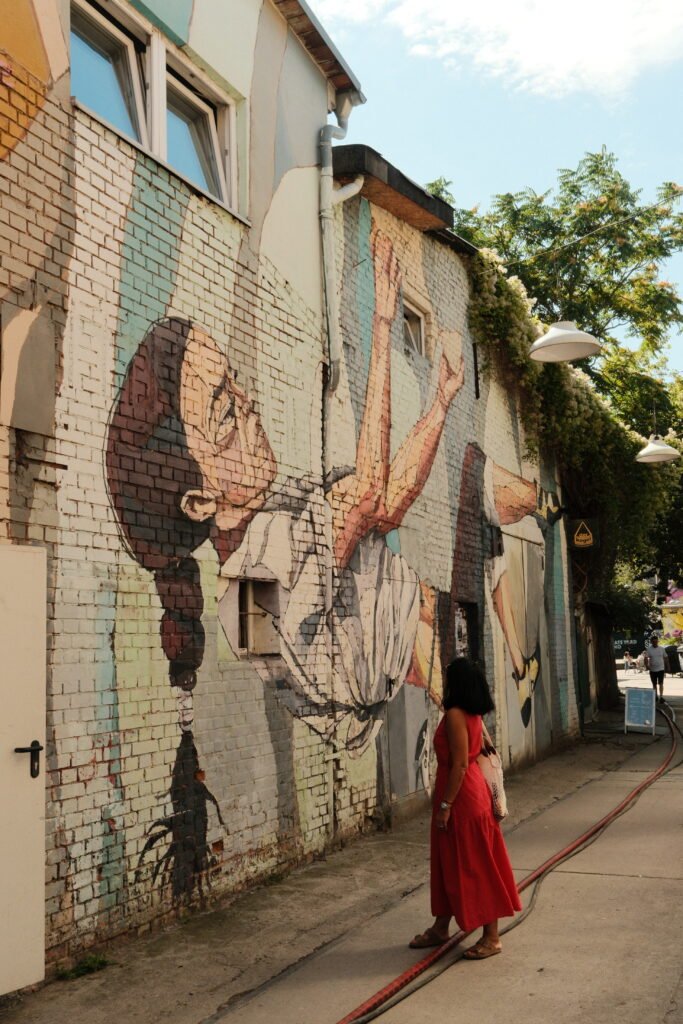
Berlin’s street art is everywhere, but Friedrichshain and Kreuzberg are particularly good areas to keep your eyes open.
Near Kreuzberg, look out for the large astronaut mural. It is a small detour, but one that adds to the feeling that Berlin is constantly changing and creating over its own history.
Do not try to find every mural on a map. Part of the fun is walking around, looking up and coming across something unexpected.
Museum Island and Berlin Cathedral
Museum Island is a group of major museums beside the River Spree. Even if you do not enter any of them, it is worth walking around the area for the historic buildings, water views and Berlin Cathedral.
You can visit one museum, several museums or simply enjoy the island from outside. It depends entirely on how much time you have and what genuinely interests you.
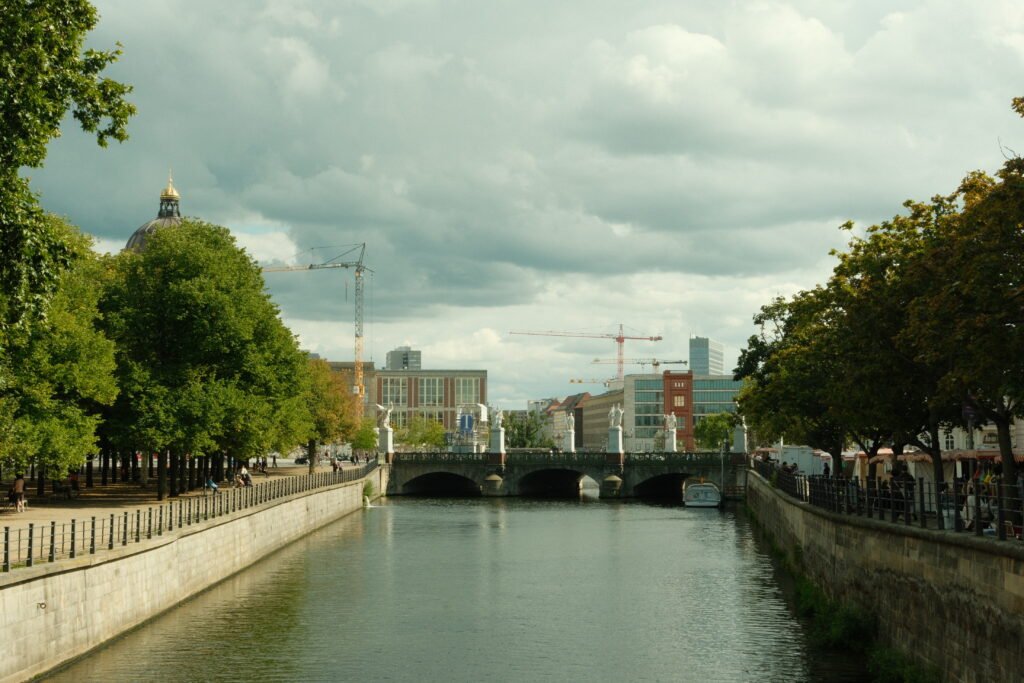
🏛️ Neues Museum
The Neues Museum is home to the famous bust of Nefertiti, as well as an important Egyptian collection and objects from prehistoric and early history. The Egyptian galleries are extensive, and the building itself is part of the experience: restored after wartime damage, it combines original walls, missing sections and modern architecture.
🏛️ Altes Museum
The Altes Museum focuses on the ancient world, especially Greece and Rome. Its collection includes classical sculptures, vases, coins and objects from the ancient Mediterranean. It is a good option if you enjoy archaeology and classical history.
🏛️ Alte Nationalgalerie
The Alte Nationalgalerie is for painting and sculpture from the 19th century. It includes German Romanticism, Impressionism and works by artists such as Caspar David Friedrich. The building itself looks like a classical temple and is beautiful from the outside too.
🏛️ Bode Museum
The Bode Museum focuses on sculpture, Byzantine art and coins. It is a quieter option on Museum Island and works well for anyone interested in medieval art, religious sculpture or less crowded museums.
🏛️ Pergamonmuseum
The Pergamonmuseum is one of Berlin’s most famous museums, but it is currently closed for major renovation. Its North Wing and central building are due to reopen on 4 June 2027. Until then, Pergamonmuseum Das Panorama nearby displays selected objects and a large panoramic installation. It is worth considering if you are interested in the collection, but it is not the same as visiting the full museum.
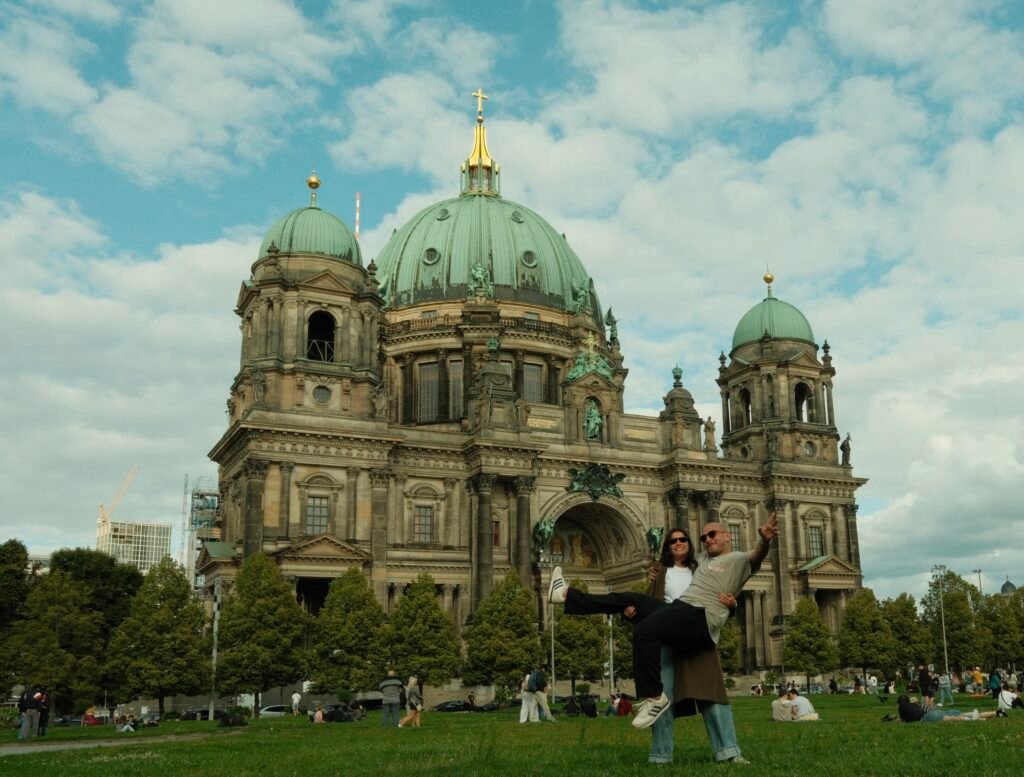
⛪ Berlin Cathedral, Lustgarten and Hackescher Markt
Berlin Cathedral sits beside Museum Island and Lustgarten.
Lustgarten is the large green garden and open square directly in front of the cathedral. It is a good place to sit for a few minutes after a museum visit, especially on a sunny day.
With its enormous green dome, ornate façade and position beside the River Spree, Berlin Cathedral is one of the most impressive buildings in the city. It is worth walking around from different angles, even if you do not go inside.
From here, continue towards Hackescher Markt. This is a lively square and transport hub near Museum Island, surrounded by cafés, restaurants, shops and old railway arches. It is an easy place to stop for coffee or continue exploring the centre.
Berlin After Dark
Berlin’s nightlife is part of the city’s identity.
The city is famous for techno, clubs, live music, late nights and an atmosphere that can feel far less formal than in many other European capitals. Some places do not really begin to fill up until long after midnight.
Friedrichshain is a good area for clubs, bars and an alternative atmosphere around Warschauer Straße and RAW-Gelände. Kreuzberg has a more relaxed, multicultural nightlife scene around Oranienstraße and the Landwehr Canal. Neukölln is popular for smaller bars, international crowds and a younger feel. Mitte has more central cocktail bars and nightlife around Hackescher Markt, Auguststraße and Torstraße.
If nightlife is important to you, give Berlin an extra night and avoid planning an early start the next morning. The city has far more to offer after dark than simply going to one famous club.
What to Eat in Berlin
Food is not the main reason most people visit Berlin, but it should still be part of the experience.
Berlin has a large Turkish and Turkish-German community, which is why kebabs are such an important part of the city’s food culture. A good döner is worth making time for.
We ended our trip at Rüyam Gemüse Kebab and thought it was a very good place for a quick, generous and delicious meal. There are many kebab spots across the city, so you do not need to travel across Berlin for one unless there is somewhere specific you really want to try.
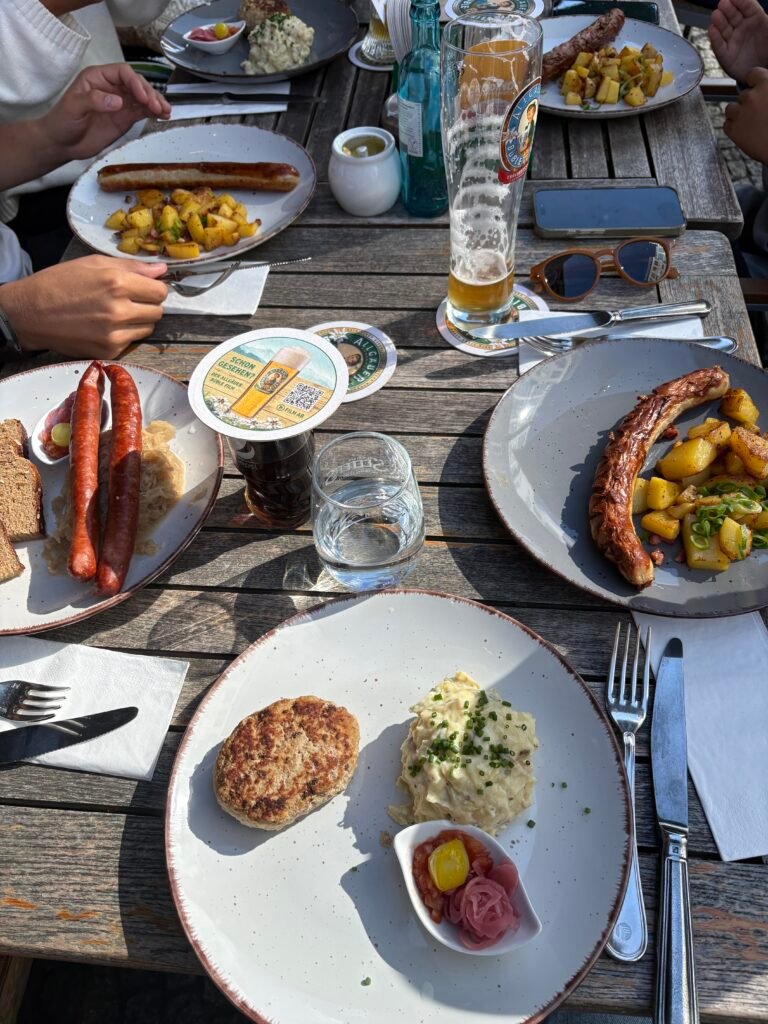
It is also worth trying a few classic German dishes. Currywurst is perhaps the most famous Berlin street-food option: sliced sausage served with curry ketchup and usually chips. Schnitzel, a thin breaded cutlet, is another easy and comforting choice.
We also had sausages and meatballs at Treffpunkt Berlin, which made for a proper German lunch before continuing with the afternoon.
Do not over-plan every restaurant. Some of the best moments in Berlin come from stopping somewhere simple when you are hungry and ready for a break.

Other Things to Do in Berlin If You Have Time
🚧 Checkpoint Charlie
Checkpoint Charlie is one of the best-known symbols of the Cold War. It is worth walking past because of its history, but the booth is a reconstruction and the area is very touristy. We would not plan a large part of the day around it.
🗼 Alexanderplatz and the Berlin TV Tower
Alexanderplatz is a useful stop if you want to see the more monumental side of former East Berlin. The Berlin TV Tower dominates the skyline, and the observation deck has panoramic views across the city. It is a good choice if you love viewpoints, but not essential if you only have a few days.
🏘️ Hackesche Höfe
Hackesche Höfe is a complex of interconnected Art Nouveau courtyards near Hackescher Markt. It is full of small shops, cafés, galleries and restaurants, but it is also in an area that was once an important centre of Jewish life and culture in Berlin. It is a lovely place to wander after visiting Museum Island.
🌳 Tiergarten
Tiergarten is Berlin’s enormous central park. It is not a must-see attraction in the same way as the Reichstag or Museum Island, but it is a beautiful place to walk through, especially on a sunny day. It can also be a useful break from the city centre.
⛲ Gendarmenmarkt
Gendarmenmarkt is one of Berlin’s prettiest squares. At its centre is the Konzerthaus, a grand concert hall with a wide staircase. On either side are the French Cathedral and German Cathedral, two very similar-looking churches built to represent Berlin’s French Protestant and German Protestant communities. It is easy to include while walking through Mitte and is worth seeing if you enjoy architecture and grand city squares.
🛍️ Mauerpark on a Sunday
Mauerpark is a good option if you are in Berlin over a weekend. On Sundays, the park is known for its flea market, food stalls, musicians and open-air karaoke. It is a more relaxed, local-feeling experience than many of the city’s major sights.
✈️ Tempelhofer Feld
Tempelhofer Feld is a former airport turned into one of Berlin’s largest public parks. You can walk, cycle, picnic or simply stand on the old runway. It is an unusual place and gives you a sense of Berlin’s space and freedom, especially in good weather.
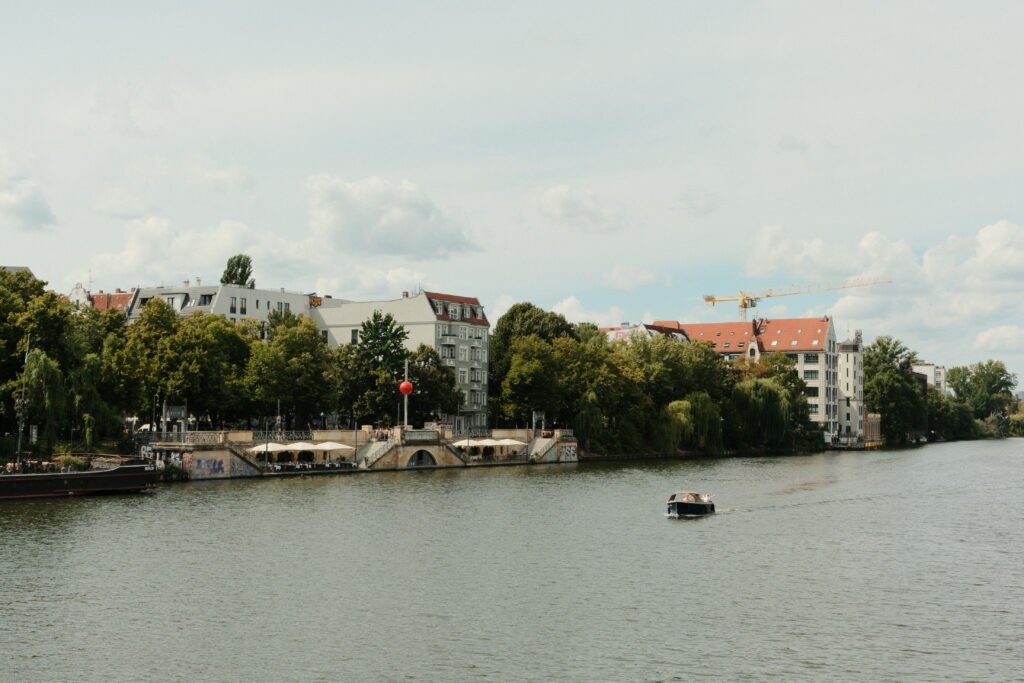
🚤 Take a Boat Trip on the Spree
A boat trip on the Spree is a good choice if you want to see major sights from a different perspective or need a break from walking. Many routes pass Museum Island, Berlin Cathedral, the Reichstag and the government district. It is especially useful on a hot day, a rainy afternoon or towards the end of a busy trip.
For a simple way to see the city from the water, book this 1-hour Spree cruise with a guide.
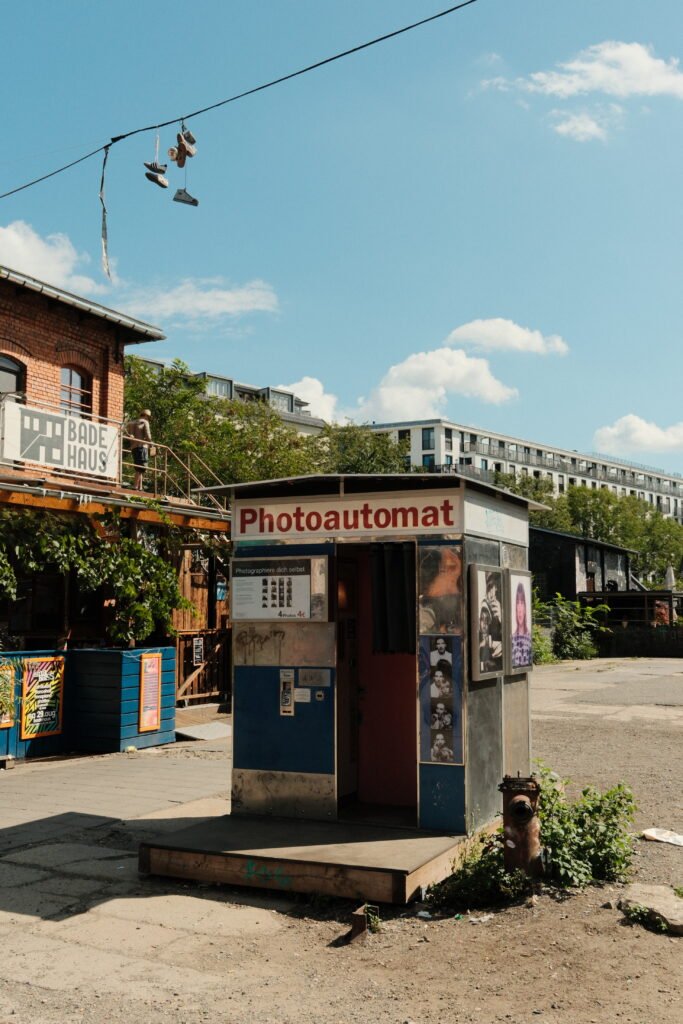
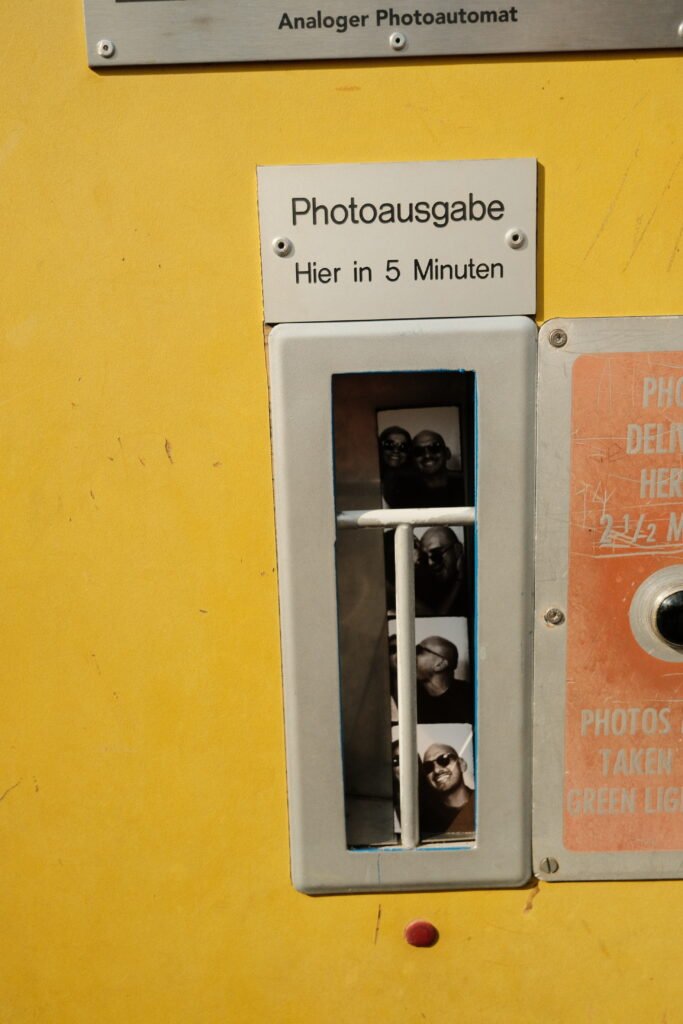
📸 Take a Photoautomaten Photo
Berlin is known for its old-style Photoautomaten booths, which print black-and-white photo strips. They are a small, inexpensive and very Berlin souvenir.
Best Day Trips from Berlin
If you have four or more days in Berlin, it is worth considering a day outside the city.
🏰 Potsdam and Sanssouci Palace
Potsdam is the most obvious and worthwhile day trip from Berlin. It is known for Sanssouci Palace, the former summer residence of Frederick the Great, as well as its gardens, grand palaces, Dutch Quarter and the Glienicke Bridge — also known as the Bridge of Spies. It is easy to reach from Berlin and works well as a guided day trip or independently by train.
🚣 Spreewald
Spreewald is a completely different experience from Berlin. About an hour south of the city, it is a peaceful landscape of canals, forests, traditional villages and waterways. The best way to experience it is by boat or canoe. It is especially lovely in spring, summer and early autumn, when you can spend the day outside on the water. If you prefer not to plan the trains and connections yourself, a guided day trip to Spreewald makes the day much simpler.
🕯️ Sachsenhausen Memorial
Sachsenhausen was a Nazi concentration camp near Oranienburg, north of Berlin. It is a difficult and emotionally heavy visit, but an important one for anyone who wants to understand the full reality of Nazi persecution and the camp system. Because Sachsenhausen is such a difficult and complex place, a guided Sachsenhausen memorial tour can be worthwhile.
🏛️ Dresden
Dresden is a longer day trip, but a good option if you enjoy architecture, art and history. The city is known for its baroque buildings, the Frauenkirche, the Zwinger Palace and its dramatic destruction during the Second World War. Much of the historic centre has been carefully rebuilt. It feels very different from Berlin and can be a good choice if you want to see another side of Germany.
🎵 Leipzig
Leipzig is a lively city with a strong connection to music, culture and the peaceful demonstrations that helped bring down East Germany’s communist regime in 1989. It is known for Bach, classical music, cafés, independent shops and a more relaxed atmosphere than Berlin. It is a good option for anyone who wants a second city break without travelling too far.
Our Worthwhile Verdict
Berlin is not a city to rush through. There are endless Berlin attractions, but we would not try to fit them all into one trip.
The best things to do in Berlin are the places that give you context: the memorials, museums, Wall, former East Berlin architecture and buildings that have witnessed the city’s biggest changes.
But Berlin also needs room for the less structured moments. Walk through Friedrichshain and Kreuzberg without a perfect plan. Stop for coffee. Find street art. Eat a kebab at the end of a long day. Take a black-and-white photo strip home with you.
Go with a plan, but do not try to tick off every attraction. Choose fewer places, give them time and let Berlin reveal itself slowly.